

The best RV water filtration pairs 0.2-micron protection with steady flow and easy upkeep.
I’ve hooked up at campgrounds where the water looked clear but smelled off—and that uncertainty followed me straight to my morning coffee. Rust, grit, and unpleasant tastes can make campground water frustrating, but appearance alone won’t tell me whether it’s safe to drink. Finding the Best RV Water Filtration for my rig means matching the system to the water conditions, available space, and flow I need.
I look for documented filtration performance and relevant third-party certifications, not blanket promises. The right setup can improve taste and reduce sediment, but not every filter removes bacteria or addresses hardness-related scale. Here’s how I weigh those differences when choosing filtration for life on the road.
See the differences between my top pick at a glance.
| Product | Type & Stages | Micron Rating | Flow/Pressure | Filter Life | Standout Features | Shop |
|---|---|---|---|---|---|---|
| GoBluTech AR3 XLT | 3-stage canister system | Down to 0.2 micron | Designed to protect flow; impact varies by source | Seasonal use varies by water quality | Compact 10-inch filters, bacteria barrier, US Veteran Owned | View on Amazon |
GoBluTech AR3 XLT 0.2 Micron RV Water Filter

The GoBluTech AR3 XLT targets the pain points RVers face. It brings a tight 0.2-micron final stage to stop fine particles and microbes. It uses compact 10-inch canisters to save space. The 3-stage path handles sediment, taste, odor, and fine safety polish.
Set up is simple for most rigs. You connect at the spigot or in-line before your RV. It aims to hold good flow when park pressure is decent. The build feels tough enough for road life. It works for RVs, vans, and boats.
Pros:
- 0.2-micron final stage adds a strong safety barrier
- Three stages for sediment, taste, odor, and fine polish
- Compact 10-inch filters save space in tight bays
- Improves taste and smell for cooking and coffee
- Helps protect fixtures from grit and scale
- Fits RVs, vans, and boats with common hose links
- US Veteran Owned brand support
Cons:
- Very fine filtration can reduce flow on low-pressure hookups
- Filter life varies a lot with bad well water
- Three cartridges mean more upkeep than a single inline
What Amazon Buyers Are Saying
Recent Amazon reviews often highlight better taste and clear water. Many mention a simple install with standard hoses. Some note a drop in flow at parks with weak pressure. A few mention that filter life changes with heavy sediment or iron. Reports suggest a solid build that travels well. Feedback points to a good balance of safety and ease when used with decent source pressure.
My Recommendation
If you want best-in-class polish in a small package, the AR3 XLT stands out. It brings near-sterile finesse without getting huge. It is a strong pick for full-timers and weekenders. It is worth it if you care about taste, safety, and long-term rig health.
| Category | Rating |
|---|---|
| Filtration Performance (taste, odor, 0.2-micron polish) | 4.8/5 |
| Flow & Pressure Protection | 4.2/5 |
| Build Quality & Portability | 4.6/5 |
| Installation & Maintenance | 4.4/5 |
| Value for Full-Time RV Use | 4.5/5 |
| Overall Rating | 4.5/5 |
How to Choose Best RV Water Filtration
Picking the best rv water filtration feels tricky. Campground water changes day to day. Your rig’s pressure changes too. I keep it simple. Focus on your sources, your flow, and your upkeep plan. Then match the system to your space and budget.
1. Match Micron Rating and Stages to Your Water
Start with what you hook up to most. City water is often clean but chlorinated. A carbon block makes it taste good. Well water can have grit, iron, and sulfur. You need a sediment stage and strong carbon. If you dry camp and refill at unknown taps, a 0.2-micron final stage helps. It adds a fine barrier for microbes. In short, more unknowns call for more stages and a tighter micron rating.
Use a staged path. Go from coarse to fine. A common path is 5-micron sediment, then carbon, then a fine 0.2 to 1 micron polish. That stops clogging and keeps flow up. It also saves your most expensive filter. Choose NSF-tested media when you can. NSF/ANSI 42 covers taste and odor. NSF/ANSI 53 covers health claims like cysts. NSF/ANSI 372 covers lead-free parts.
2. Protect Flow and Pressure in Real RV Hookups
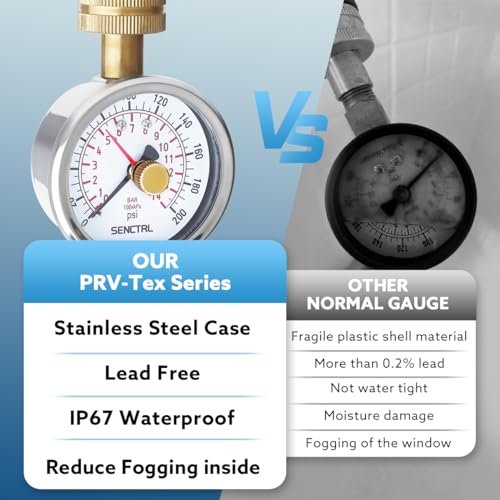
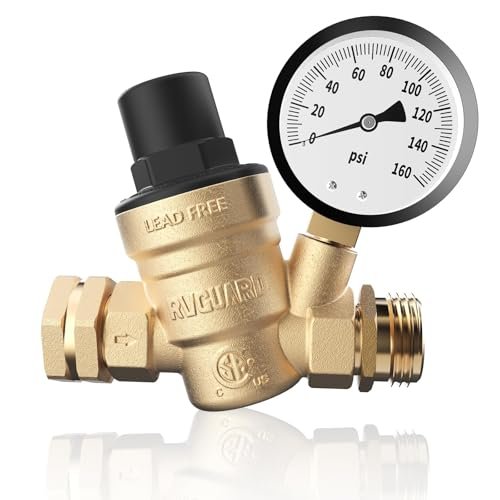
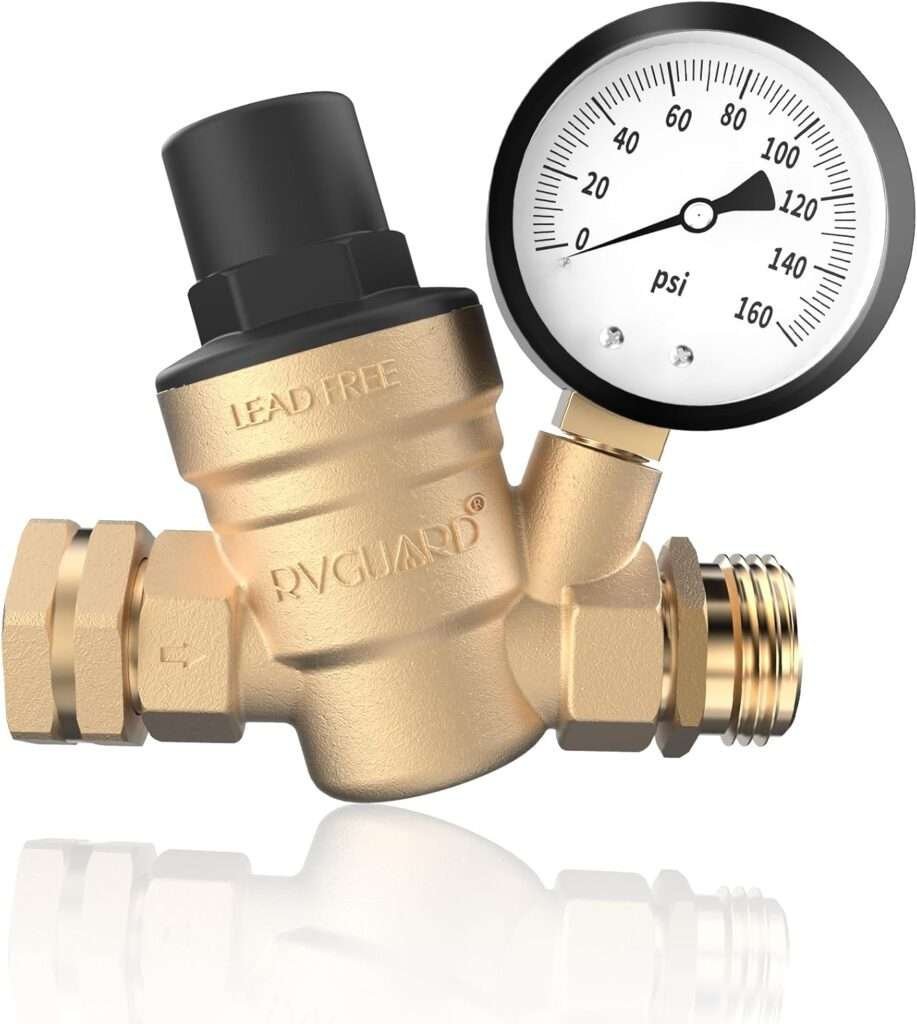
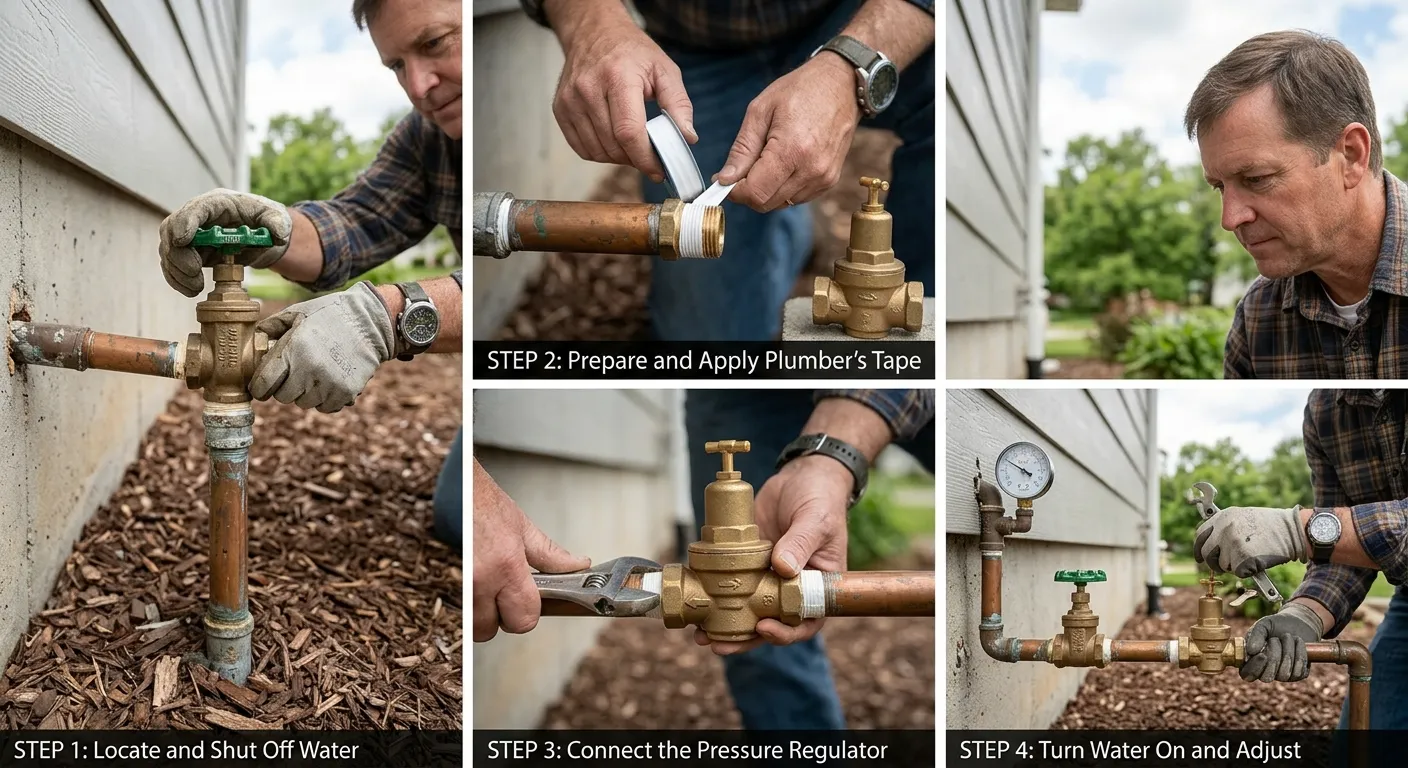
Hookup pressure can be high or weak. A tight 0.2-micron filter gives top polish. But it can slow flow on a weak spigot. You can help flow in a few ways. Use a quality pressure regulator that keeps 45–55 psi steady. Use full-flow brass fittings. Keep hoses short and wide. Place sediment first to stop early clogging.
Think about GPM needs. Showers feel bad if pressure falls off. A 3-stage setup with standard 10-inch canisters is a good balance. It is compact and strong. It can flow well when fed with decent pressure. If you boondock and pump from tanks, note your pump’s PSI. Match filters so your pump can push through without strain.
3. Plan for Maintenance, Cost, and Winterization
Filters are consumables. Budget for them. Dirty water burns through cartridges fast. Sediment filters may need swaps every few weeks in rough water. Carbon can last a season with good pre-filtration. A 0.2-micron stage may need care when water is turbid. Watch for taste change or pressure drop. That is your cue to change.
Plan your winter routine. Drain housings. Remove cartridges. Keep O-rings safe and greased with food-grade silicone. Store filters warm and dry. Sanitize lines at least twice a year. I sanitize after winter and before long trips. A quick bleach dose run and flush keeps biofilm down. Good care keeps flow up. It also keeps water fresh. That is how the best rv water filtration pays off long term.
Final Verdict: Which Should You Buy?
The GoBluTech AR3 XLT is my top choice if you want tight safety and clean taste without a bulky setup. Its 0.2-micron finish and 3-stage path hit the sweet spot for the best rv water filtration in 2026.
Want simple, safe, and solid water on the road? This system checks the big boxes. It is a strong upgrade for daily use and long trips.
FAQs Of best rv water filtration
What micron rating is best for RV water filters?
For taste and clarity, 5 microns plus carbon works well. For added safety, a 0.2–1 micron final stage helps block fine particles and cysts.
Do I need a 3-stage system for my RV?
Not always. A 3-stage system shines when sources are unknown or mixed. It gives sediment removal, taste fix, and a fine safety polish in one setup.
Will a 0.2-micron filter hurt my shower pressure?
It can if park pressure is weak or filters are clogged. Use a good regulator, full-flow hoses, and fresh cartridges to protect flow.
How often should I change RV water filters?
Change when taste shifts or flow drops. As a baseline, swap sediment as needed, carbon every season, and fine filters per maker guidance or sooner in dirty water.
Is campground water safe to drink with an RV filter?
A good system improves taste and reduces many risks. No filter makes unsafe water safe in every case. Test suspect water and sanitize lines on a schedule.
Are inline hose filters enough for full-time RV life?
They help with taste and light sediment. For full-time use or tough water, a multi-stage canister system gives better and more stable results.
How do I winterize my RV water filtration system?
Shut off water, relieve pressure, and drain housings. Remove cartridges. Dry and store them warm. Grease O-rings. Bypass filters when adding RV antifreeze.