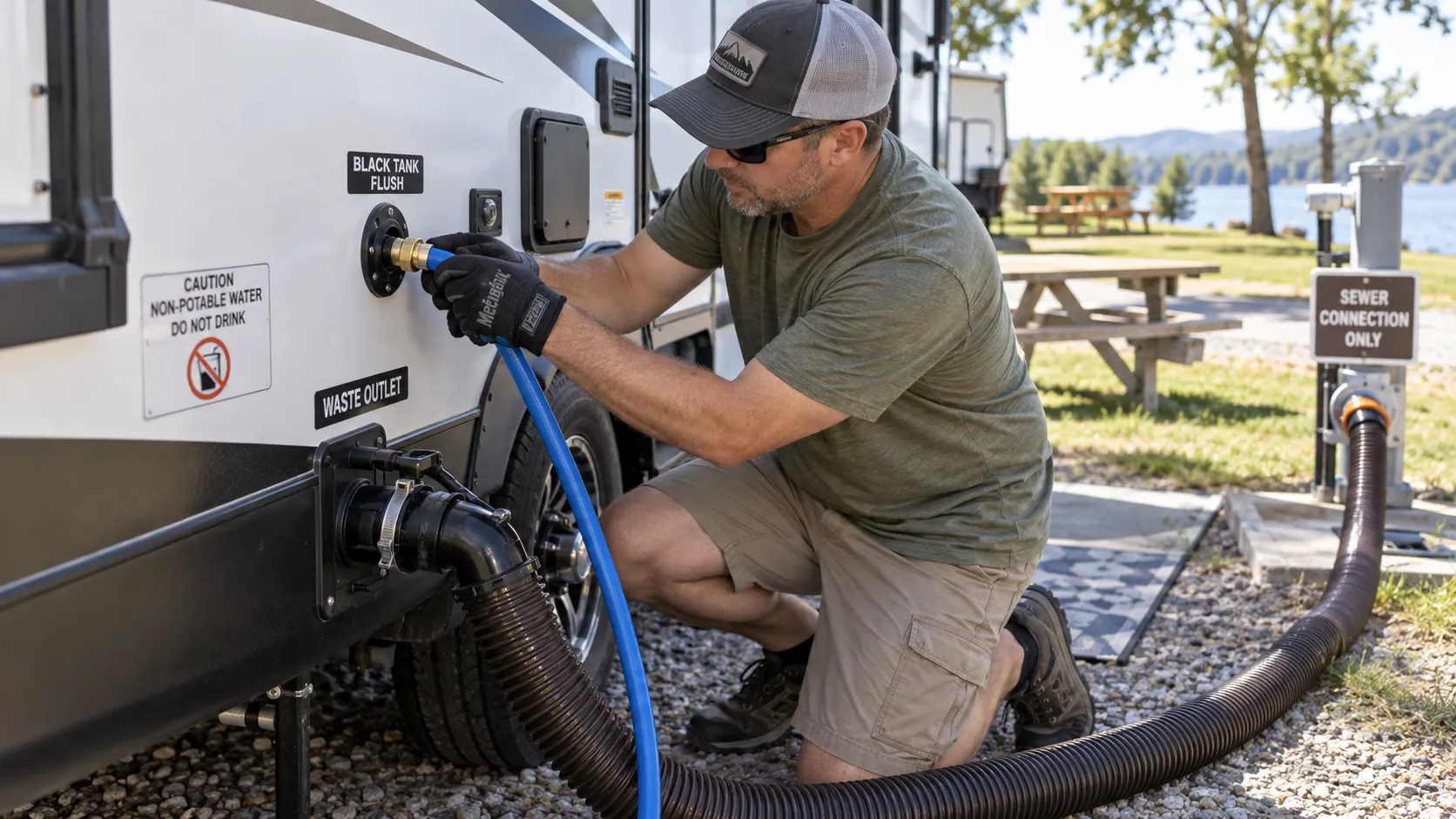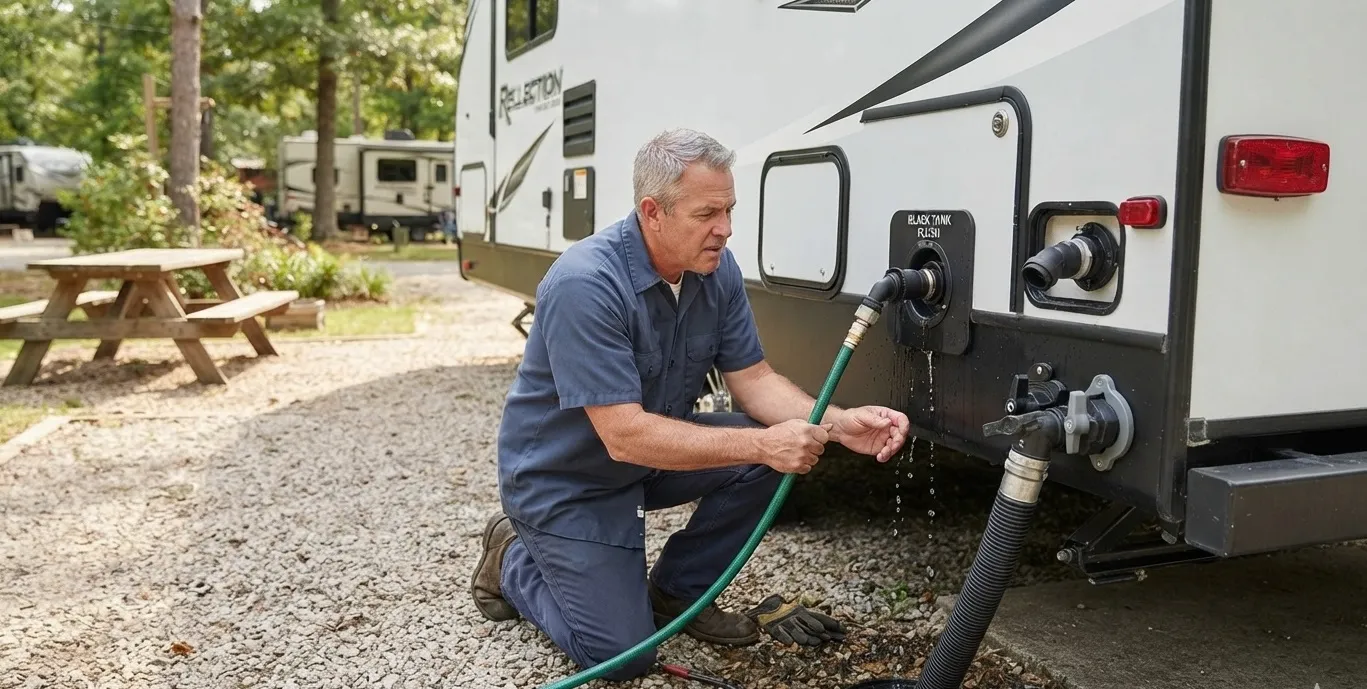

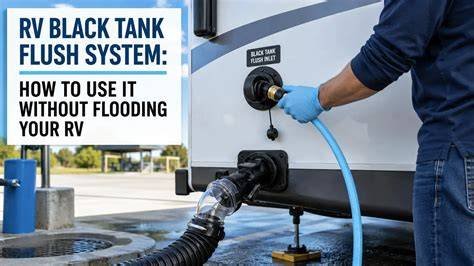
An on-board black tank flush is hands-free; a flush wand gives focused, manual cleaning power.
After years of maintaining RV plumbing during long trips and preparing rigs for seasonal storage, I’ve learned that tank-cleaning tools offer different advantages. RV Black Tank Flush Vs Flush Wand comes down to more than convenience: tank layout, toilet access, and installation requirements can all influence your choice.
This guide compares built-in flush systems with handheld wands, explains when each makes sense, and shares practical cleaning tips alongside manufacturer-specific precautions to help you choose an approach that fits your rig and travel routine.

Understanding the Basics of RV Black Tank Flush vs Flush Wand
RV black tank flush vs flush wand is a comparison between two ways to rinse an RV’s black water tank—the tank that holds waste from the toilet. A built-in black tank flush uses a fixed spray nozzle inside the tank, while a flush wand is a handheld tool inserted through the toilet.
Both methods can help rinse away loose waste and toilet paper, reduce residue, and support routine tank maintenance. Neither replaces proper dumping, and results vary with tank design, water pressure, and how the RV is used. The right choice depends on your equipment, how much control you want, and what’s practical at your campsite.
What Is a Built-In RV Black Tank Flush?
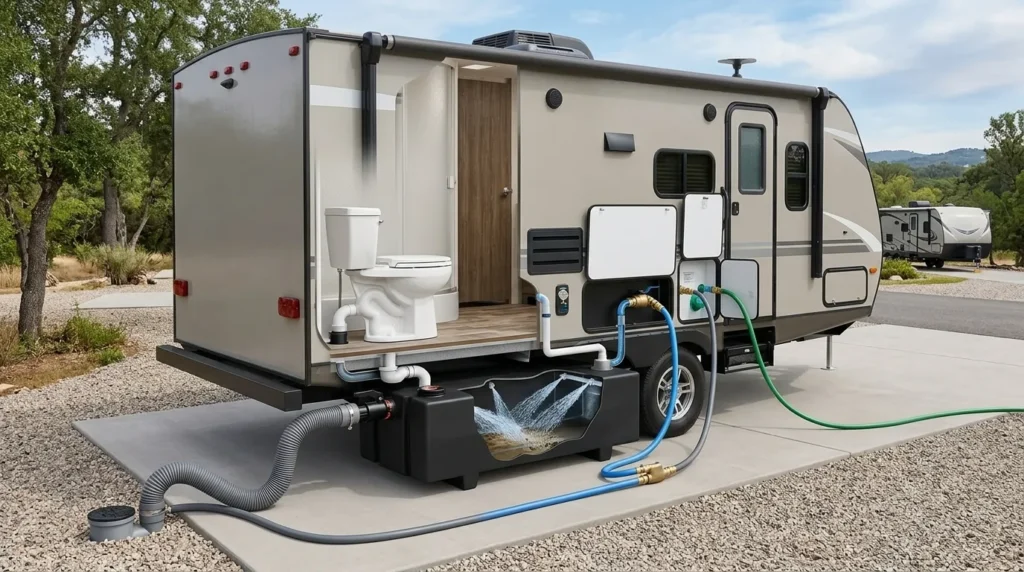
A built-in black tank flush is a dedicated connection on the RV’s exterior. Attach a separate, non-potable-water hose to the connection, and water flows through fixed spray nozzles inside the black tank. Some RVs come with this system; on others, a flush connection may be installed as an aftermarket upgrade.
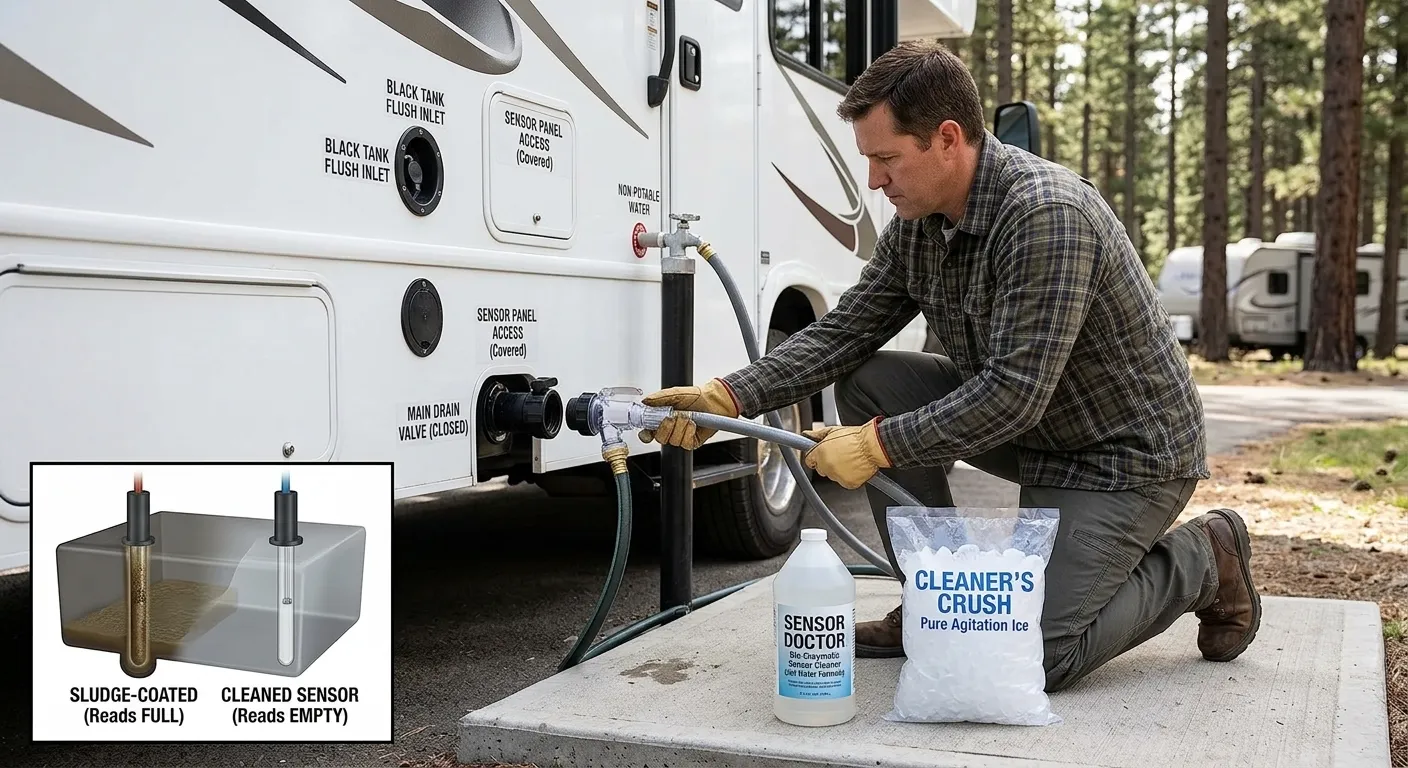
The spray can rinse parts of the tank that are difficult to reach from the toilet opening. However, the nozzle’s position and coverage depend on the RV’s tank design. A built-in flush is not a tank-level sensor cleaner or a guarantee that every surface will be rinsed.
Potential advantages
- Convenient to use once the hose is connected
- No tool needs to be guided through the toilet
- Can provide a repeatable rinse during or after dumping
- May be useful for routine maintenance
Potential limitations
- Requires a working flush connection and a separate hose
- Fixed spray coverage may not reach every area
- Requires careful monitoring to avoid overfilling the tank
- A clogged or damaged flush nozzle may reduce performance
What Is an RV Flush Wand?
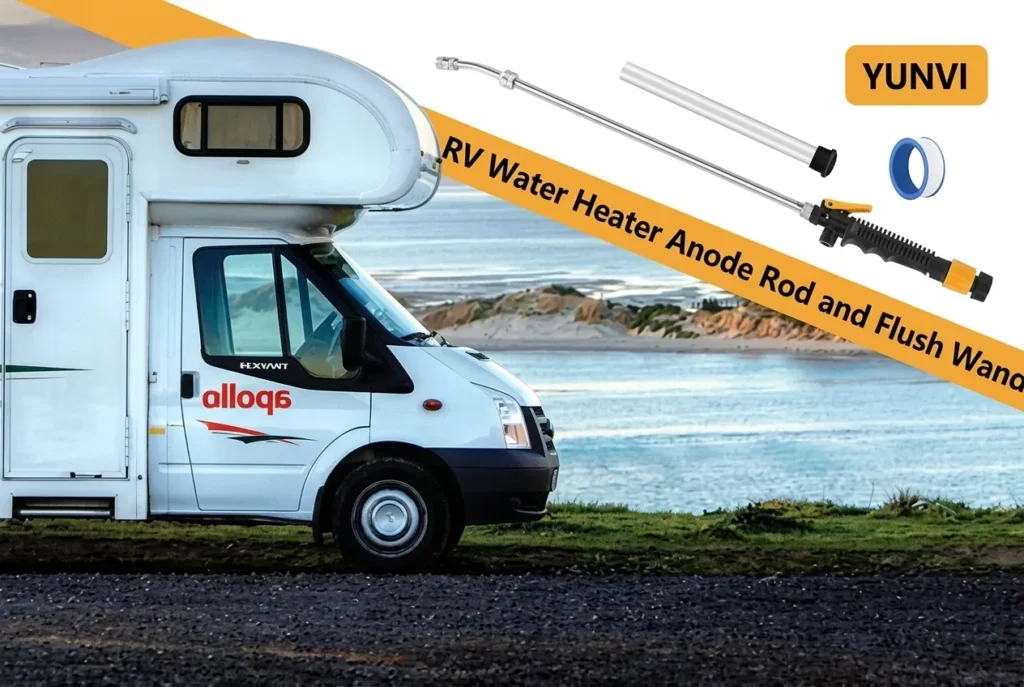
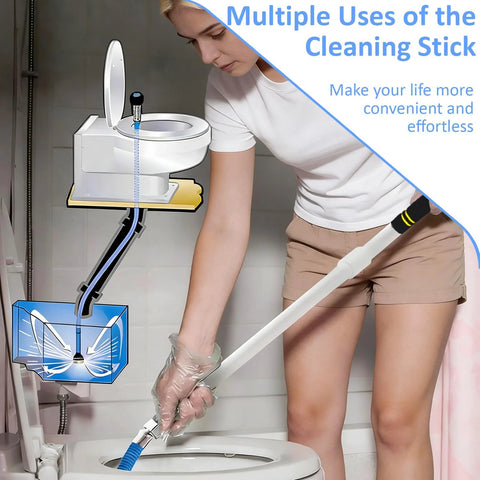
A flush wand is a long, narrow tool connected to a garden hose and inserted through the RV toilet. Water comes out near the wand’s tip to rinse the tank. Some models have a straight spray; others have a rotating or angled head.
A wand gives you more direct control over where you aim the water. It can be useful when an RV has no built-in flush connection or when you want to target a particular area. Use it gently and follow the tool manufacturer’s instructions, especially if the wand has a rotating head or high-pressure spray.
Potential advantages
- Works with many RVs that lack a built-in flush system
- Allows the user to aim the spray
- Often relatively inexpensive
- Can help rinse areas near the toilet opening
Potential limitations
- Requires inserting and handling a tool inside the toilet
- Can be less convenient and more hands-on
- May be difficult to use in some toilet or tank configurations
- Excessive pressure or forceful handling can damage components or cause splashing
RV Black Tank Flush vs Flush Wand: Key Differences
| Feature | Built-in black tank flush | Flush wand |
|---|---|---|
| How it works | Fixed nozzles spray inside the tank | Handheld tool sprays from inside the toilet |
| Control | Limited to the nozzle’s location and design | User can direct the spray |
| Convenience | Usually quicker to connect and operate | Requires inserting, guiding, and cleaning the tool |
| Compatibility | Requires a dedicated flush connection | Usually suitable if the tool fits the toilet |
| Best suited for | Routine rinsing when a flush connection is available | Targeted rinsing or RVs without a built-in flush |
| Important consideration | Monitor the tank and use a backflow preventer | Follow instructions and avoid excessive pressure |
Which Method Is Better?
Neither method is best for every RV. A built-in flush is often the more convenient option for routine rinsing if the RV has a properly functioning system. A wand can offer more control and may be a practical alternative when there is no dedicated flush connection.
Some owners use both methods for different situations, but using both is not automatically necessary. Start with the RV manufacturer’s instructions, and consider the tank design, toilet type, and your ability to manage the rinse safely.
Safe Black Tank Rinsing Practices
Whichever method you choose, a few precautions help protect your RV and campsite:
- Use a separate hose for the black tank flush. Do not use a drinking-water hose for waste-system rinsing.
- Use a backflow preventer where required or recommended. This helps reduce the risk of contaminated water flowing back into the water supply.
- Keep the black tank dump valve open while rinsing. Closing it while water is flowing can allow the tank to overfill.
- Stay with the RV and monitor the process. Do not leave water running unattended.
- Follow your RV and flush-tool instructions. Use only the water pressure and connection method specified by the manufacturer.
- Drain and store equipment carefully. Keep hoses and wands used for the black tank separate from clean-water equipment.
- Leave some water in the black tank after dumping. A small amount can help waste move toward the outlet during normal use. Follow your RV manual for tank-care guidance.
Bottom Line
The choice between an RV black tank flush vs flush wand comes down to convenience, control, and compatibility. A built-in flush offers a simple connection for routine rinsing, while a wand allows more direct, manual spraying and can work without a dedicated flush port. Used correctly, either can support regular black-tank maintenance—but safe dumping practices and following the RV manufacturer’s guidance matter just as much.
How Each System Works
How an onboard black tank flush works
An onboard black tank flush connects to your RV water supply or a dedicated inlet. When you open the valve, pressurized water shoots from a nozzle into the tank. The spray pattern rinses the interior and pushes waste into the sewer line.
This system often runs from the coach’s plumbing or a connection at the dump outlet. It’s quick and requires no extra handling of sewer hoses or tools.
How a flush wand works
A flush wand is a handheld tool that connects to a campground water spigot via a hose. You insert the wand into the toilet and spray along the tank walls. The wand gives you direct aim at trouble spots and stubborn buildup.
A wand requires you to stand at the toilet and operate it manually. It’s portable and usually cheaper than installing an onboard flush.

Practical Considerations: When to Use Which
- Use an onboard black tank flush for routine maintenance and fast cleanup between stops. It’s ideal for full-time RVers who want low-effort upkeep.
- Use a flush wand when you spot persistent buildup, odors, or solids that a fixed nozzle can’t reach. It’s also useful for older tanks with interior baffles.
- Check campground rules before using large volumes of spigot water with a wand. Some parks allow it only at designated dump stations.
- Consider water availability and conservation. A wand can be more water-efficient if you target areas precisely.
Choosing between RV Black Tank Flush vs Flush Wand depends on travel pace, tank age, and personal tolerance for manual work.
Installation, Use, and Maintenance Tips
Installing an onboard black tank flush
- Verify compatibility with your RV’s plumbing and black tank outlet.
- Choose a kit with a reliable valve and stainless components.
- If unsure, hire a technician to avoid leaks and cross-contamination.
Using a black tank flush safely
- Flush after normal dumping to clear remaining solids.
- Avoid chemicals that can damage tank seals or RV plumbing.
- Run water long enough to rinse walls, then open the dump valve fully.
Using a flush wand effectively
- Connect the wand to a pressure regulator to protect seals.
- Insert slowly and aim along curves and baffles for thorough cleaning.
- Rinse multiple angles and follow with a standard tank treatment.
Maintenance tips
- Inspect seals, valves, and hoses monthly for wear.
- Winterize both systems per manufacturer guidance.
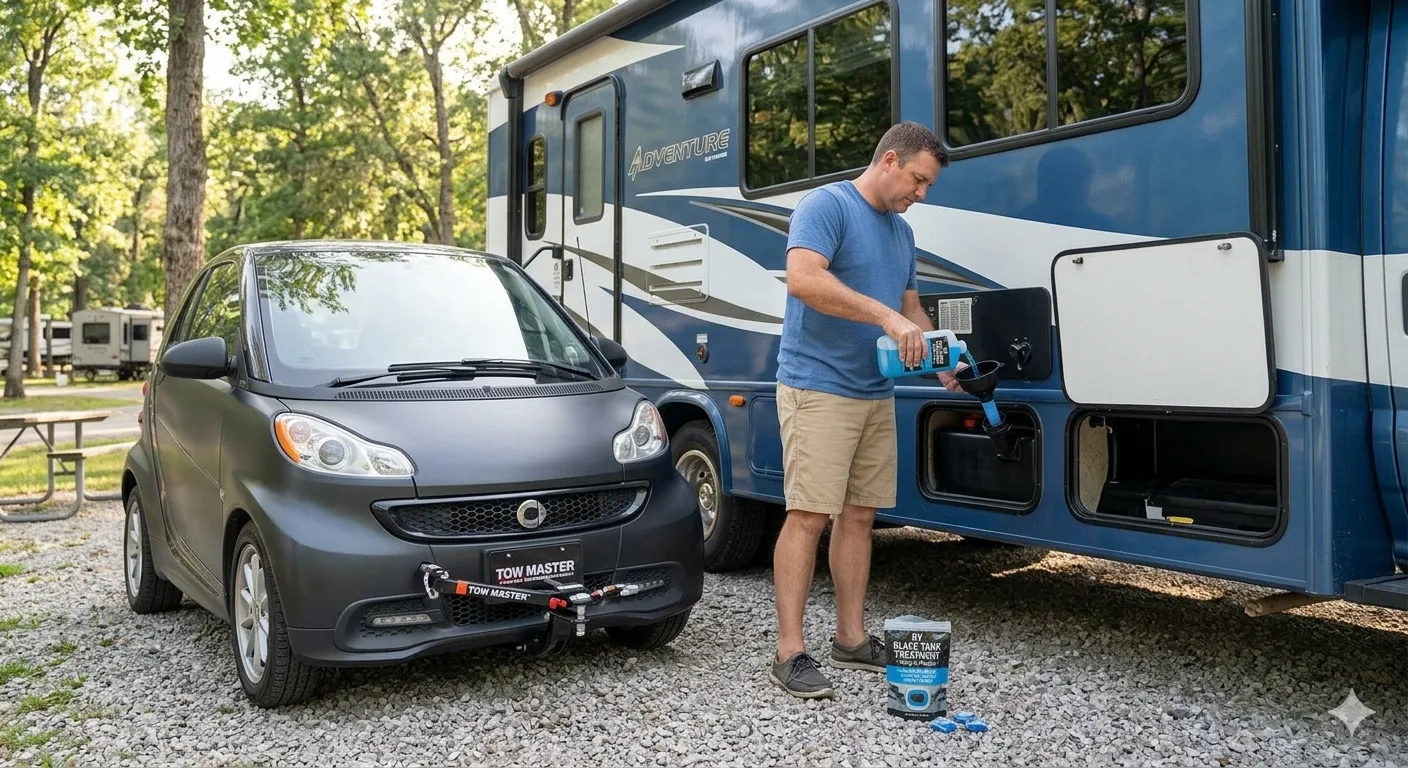
- Use enzyme-based treatments to maintain bacterial balance and reduce odors.
Following these steps reduces clogs and extends the life of your tank and fittings when comparing RV Black Tank Flush vs Flush Wand.
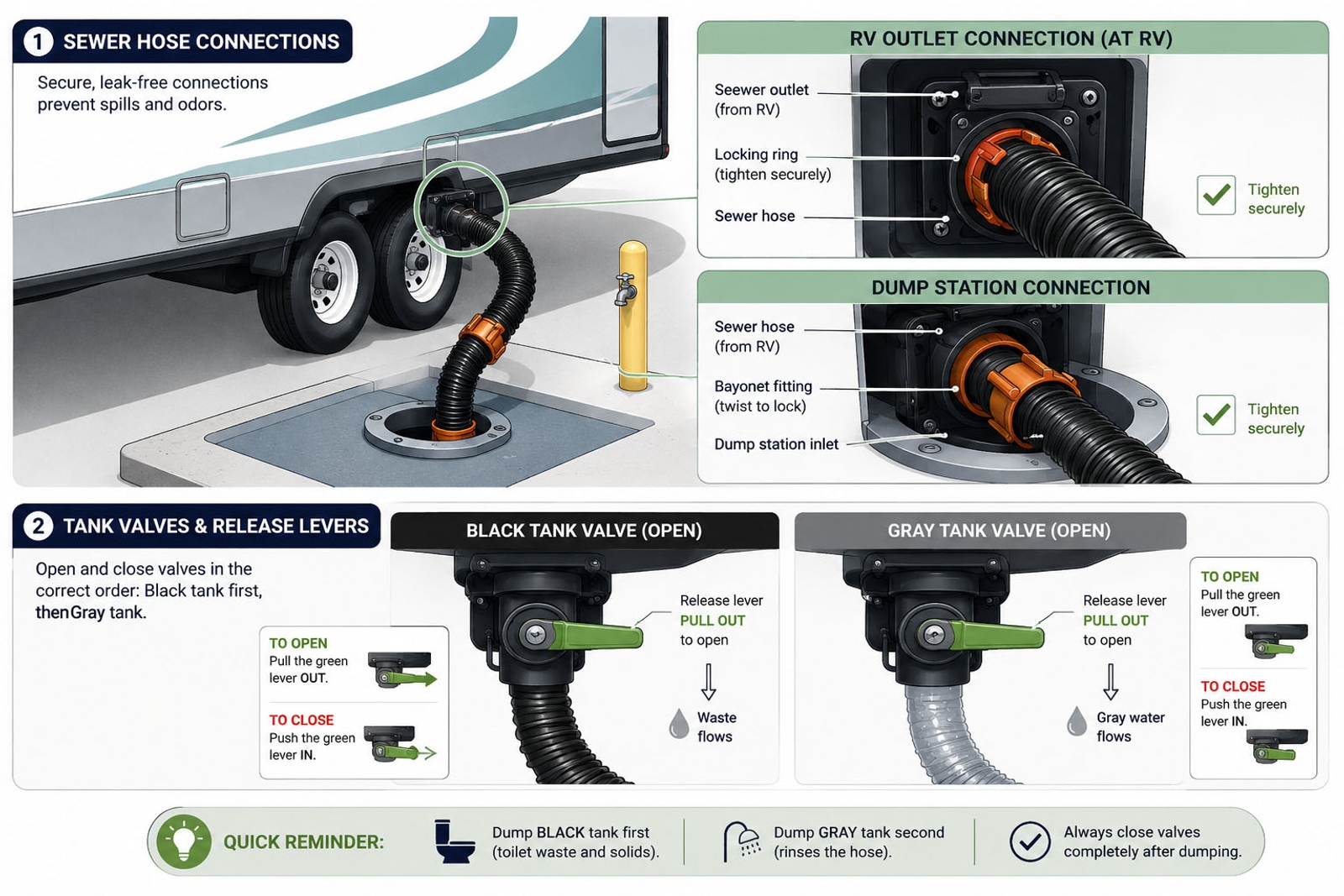
Cost, Environmental Impact, and Safety
- Cost: An onboard flush installation ranges from modest DIY kits to more expensive factory systems, while a flush wand typically costs under $100.
- Water use: An onboard system can use more water if left running; a wand can be more targeted and efficient when used carefully.
- Environmental impact: Use biodegradable, RV-safe cleaners and enzyme treatments. Avoid harsh chemicals that harm wastewater systems.
- Safety: Always secure hoses and valves. Use gloves and sanitizer when handling sewer fittings. Store tools separately from living areas to prevent contamination.
Assess these factors before deciding between RV Black Tank Flush vs Flush Wand, especially if you frequent primitive campsites.
My Experience and Lessons Learned
I once relied only on an onboard black tank flush and still ran into odor problems at the end of a month-long trip. Switching to a flush wand for targeted cleaning solved the issue. Here are lessons from that experience:
- Don’t assume onboard nozzles reach every corner. They are efficient but sometimes miss baffles.
- Combine both: use the onboard flush for routine rinses and the wand for spot cleaning.
- Learn the dump station layout before arriving to avoid awkward, public cleaning.
- Protect your hands and clothing. Simple mistakes with hoses and connectors cause most messes.
These practical tips reflect real-world use and make the choice between RV Black Tank Flush vs Flush Wand clearer.

Common Quick Questions
Can I install a black tank flush on any RV?
Most RVs can accept an aftermarket flush kit, but compatibility varies. Check tank access, outlet design, and plumbing before buying.
Will a flush wand damage my black tank?
A properly used flush wand will not damage the tank. Use moderate pressure and avoid forcing the wand against baffles.
Which method saves more water?
A targeted flush wand generally uses less water if you focus on problem spots. An onboard system can use more unless you control run time.
Frequently Asked Questions of RV Black Tank Flush vs Flush Wand
What is the primary difference between RV Black Tank Flush vs Flush Wand?
The primary difference is control. A black tank flush is fixed and hands-free, while a flush wand allows manual, targeted cleaning inside the tank.
Does an onboard black tank flush require professional installation?
Not always, but many installations are easier with professional help. Complex plumbing or hard-to-reach fittings often require a technician.
Can I use regular household bleach with these systems?
Regular household bleach can harm seals and beneficial bacteria, so it’s best to use RV-safe or enzyme-based treatments instead.
How often should I clean the black tank?
Routine rinses after most dumps and a deep cleaning with a wand or thorough flush every few months works well. Frequency depends on use and tank condition.
Are flush wands allowed at all campgrounds?
Some campgrounds restrict tank cleaning at spigots. Always check campground rules and use designated dump stations when required.
Conclusion
Choosing between RV Black Tank Flush vs Flush Wand comes down to convenience versus control. An onboard flush saves time and hands-on effort, while a flush wand gives precise cleaning power when you need it most. Combine both for the best maintenance routine: use a black tank flush for regular rinses and a flush wand for periodic deep cleaning.
Take action today: inspect your tank, pick the tool that fits your travel style, and set a cleaning schedule to prevent odors and clogs. Share your experience or ask a question below — your next trip will run cleaner and smoother.