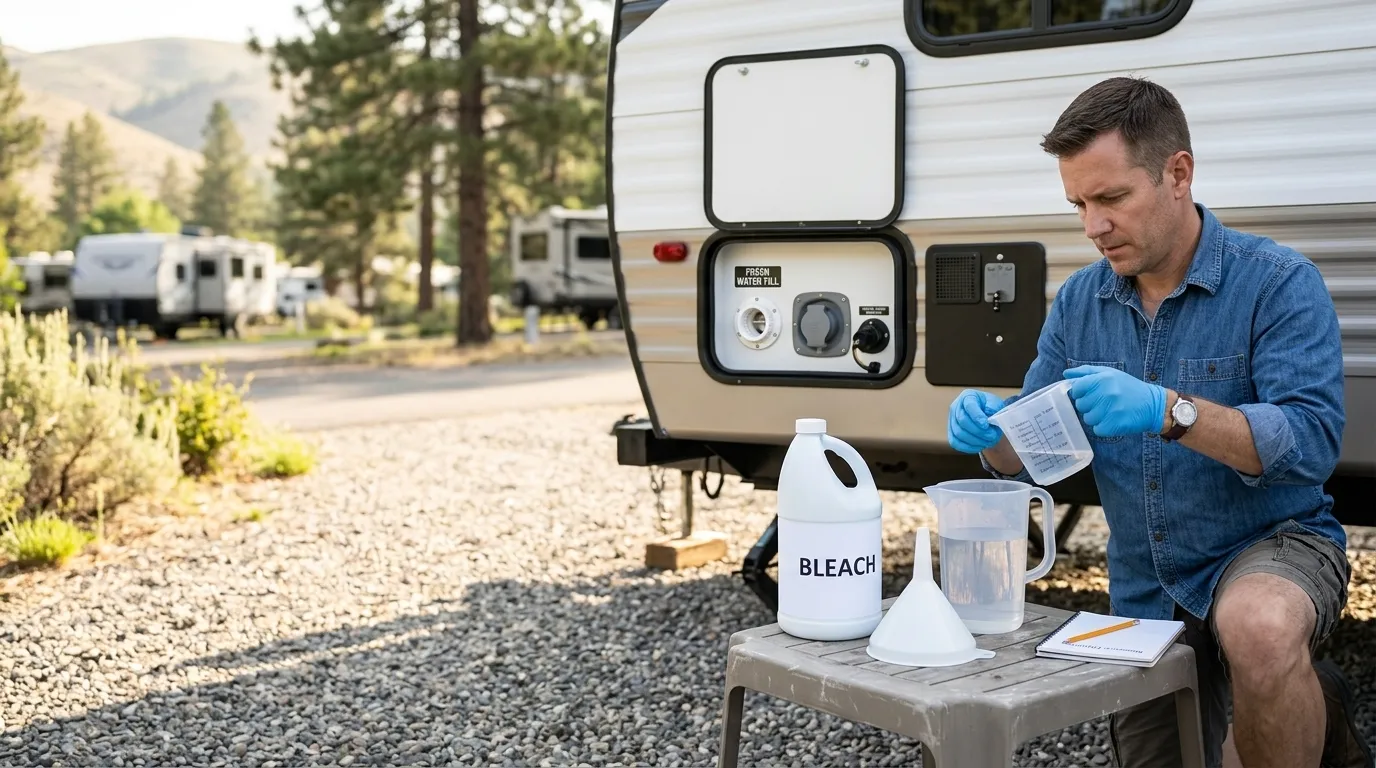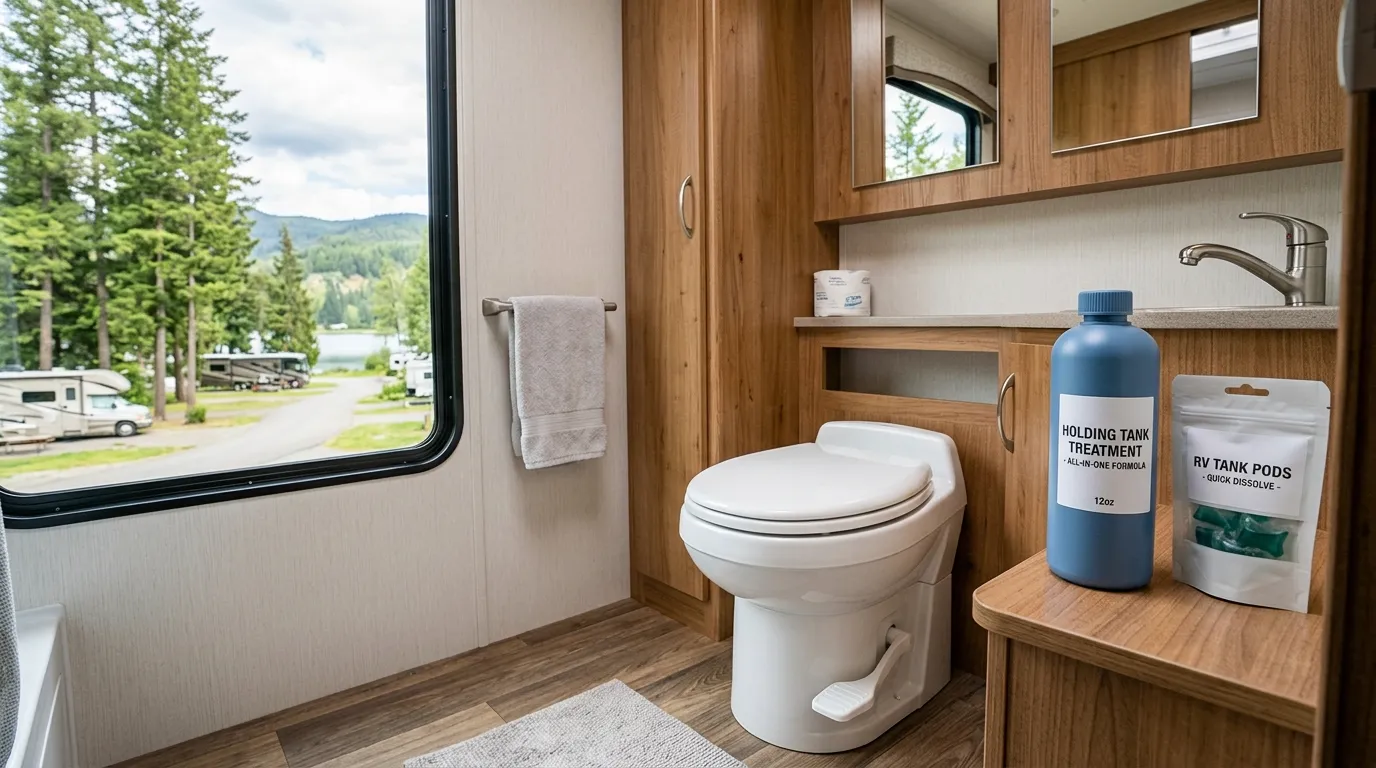

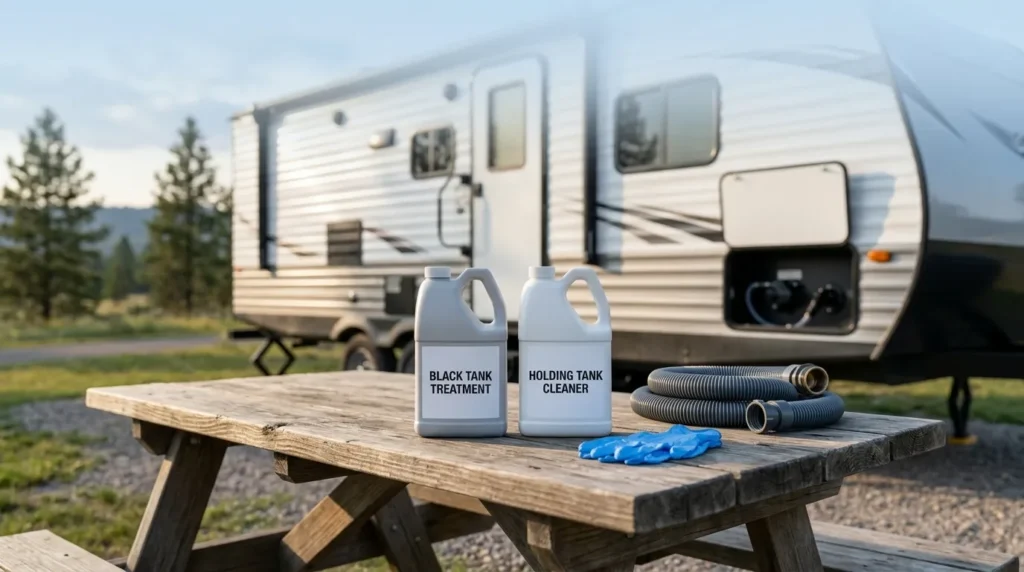
RV black tank treatment controls odor and waste breakdown, while holding tank cleaner removes buildup and residue.
Choosing the right product for your RV’s wastewater system starts with understanding what needs attention: everyday odors and waste breakdown, or stubborn residue left behind after dumping. When comparing RV Black Tank Treatment Vs Holding Tank Cleaner, the main difference is their intended job. Treatments generally support routine odor control and waste management between dumps, while cleaners target accumulated residue and may help address buildup affecting tank sensors. Some products serve both purposes, so the label matters more than the name alone.
This guide explains when to use each option, what ingredients and compatibility information to check, and how proper dumping and rinsing support tank maintenance. Always follow your RV manufacturer’s guidance and the product’s directions rather than assuming one formula suits every tank.

RV Black Tank Treatment vs Holding Tank Cleaner: What Each One Does
RV black tank treatment is mainly a maintenance product. It helps break down waste, control odor, and keep the tank environment active after each use. Holding tank cleaner, on the other hand, is usually a deeper-clean product designed to remove stubborn buildup, paper residue, and sensor grime from the tank walls.
In simple terms, one is for regular care, and the other is for cleanup work. That is the heart of RV Black Tank Treatment vs Holding Tank Cleaner. If you use the wrong one at the wrong time, you may still end up with odors, stuck sensors, or a tank that never feels truly clean.
From experience, this is where many RV owners get confused. I’ve seen people keep adding treatment week after week, hoping the tank will “self-clean,” when the real issue was layer after layer of buildup on the sides and around the sensors. That is when a holding tank cleaner becomes useful.
How an RV Black Tank Works
The black tank collects waste from the toilet. It also holds toilet paper, water, and anything else that passes through the RV plumbing system. Because of that, it is a warm, enclosed space where odor and residue can build up fast.
A black tank depends on three things to stay healthy:
• Enough water to help waste move freely
• Proper flushing after dumping
• The right chemical or enzyme treatment for maintenance
When one of those is missing, problems start. Waste can settle, paper can cling to the walls, and sensors can read full even when the tank is mostly empty. That is why the RV Black Tank Treatment vs Holding Tank Cleaner decision is really about matching the product to the problem.
What RV Black Tank Treatment Is Best For
RV black tank treatment is best for routine use. It helps manage odor and supports the breakdown of waste inside the tank. Some treatments use enzymes, bacteria, or deodorizing ingredients, while others rely on chemical action.
Use black tank treatment when you want to:
• Reduce toilet odor during travel or camping
• Help waste and paper break down between dumps
• Maintain a cleaner tank over time
• Support normal tank operation after each emptying
I’ve found that consistent use matters more than fancy claims on the label. A decent treatment used regularly often works better than a “miracle” product used once in a while. The goal is steady maintenance, not emergency rescue.
What Holding Tank Cleaner Is Best For
Holding tank cleaner is designed for a different job. It targets residue that sticks to the tank walls, sides, corners, and sensors. In many cases, it is used after a problem already exists or when the tank needs a reset.
A holding tank cleaner can help with:
• Stubborn odor that comes back quickly
• Sensor readings that seem wrong
• Sludge or toilet paper buildup
• Tanks that have not been deep-cleaned in a long time
Think of it like this: black tank treatment is soap for daily washing, while holding tank cleaner is closer to the deep scrub you do when the shower wall gets grimy. Both have value, but they are not interchangeable.
RV Black Tank Treatment vs Holding Tank Cleaner: Key Differences
The easiest way to compare RV Black Tank Treatment vs Holding Tank Cleaner is by purpose, timing, and strength.
Purpose
• Black tank treatment focuses on odor control and waste breakdown
• Holding tank cleaner focuses on removing buildup and residue
Timing
• Black tank treatment is used regularly
• Holding tank cleaner is used when cleaning is needed or on a schedule
Strength
• Black tank treatment is usually gentler and ongoing
• Holding tank cleaner is often stronger and more targeted
Best Use Case
• Black tank treatment is ideal for maintenance
• Holding tank cleaner is ideal for restoration and deep cleaning
In my own RV routine, I treat these products like different tools in a toolbox. I would never use a hammer when I need a screwdriver, and I would not use daily treatment when the tank needs a full cleaning cycle. That simple mindset prevents a lot of frustration.
Signs You Need a Black Tank Treatment
You likely need a black tank treatment if you notice:
• Mild odor after flushing
• Routine tank use during trips
• Waste breaking down normally
• No major buildup or sensor issues
If your RV is newer or well-maintained, a black tank treatment may be all you need. It helps keep the system moving smoothly and makes dumping less unpleasant. For many RVers, that is enough.
Signs You Need a Holding Tank Cleaner
A holding tank cleaner is a better choice if you notice:
• Persistent odor after dumping
• Tank sensors stuck on full or half-full
• Toilet paper clinging to the tank
• Sludge, film, or residue after flushing
This is often the point where a regular treatment is not enough. If you keep treating a dirty tank without cleaning it, you can mask the smell but not fix the cause. That is one of the most common mistakes I have seen in real RV use.
How to Use RV Black Tank Treatment Correctly
Using black tank treatment the right way makes a big difference. The basic routine is simple, but many owners skip the water step, and that causes trouble later.
Follow these steps:
- Dump the tank fully at an approved station
- Flush the tank if your RV has a flush system
- Add several gallons of water back into the tank
- Add the recommended amount of black tank treatment
- Use the toilet normally during your next trip
Water is the secret ingredient here. A treatment without enough water is like trying to wash dishes with no soap and no sink. The product cannot work well if the waste sits dry at the bottom.
How to Use Holding Tank Cleaner Correctly
Holding tank cleaner usually works best as a soak-and-flush process. Always follow the label, since formulas vary. Most cleaners need time in the tank to loosen buildup before you dump and rinse.
A common cleaning cycle looks like this:
- Dump and rinse the tank first
- Add the cleaner and enough water for the product to spread
- Drive the RV or let it sit so the cleaner can move around the tank
- Let it soak for the recommended time
- Dump again and flush until the water runs clearer
For older tanks, one round may not be enough. I have had tanks that needed two or three clean cycles before the sensor readings improved. That is normal when buildup has been there for months.
Common Mistakes RV Owners Make
The biggest issue in RV Black Tank Treatment vs Holding Tank Cleaner is misuse. Many people buy one product and expect it to do both jobs.
Common mistakes include:
• Using treatment instead of cleaner for heavy buildup
• Skipping water in the tank
• Dumping too soon after adding cleaner
• Using too much product and assuming more is better
• Ignoring sensor problems until they become severe
Another mistake is relying on fragrance alone. A fresh smell does not mean the tank is clean. Odor control is helpful, but it should never replace actual tank maintenance.
Which One Is Better for Odor Control?
For odor control, RV black tank treatment is usually the better everyday choice. It is made to help control smell during normal use. It works best when combined with proper water levels and regular dumping.
Holding tank cleaner may help odor too, but usually as a result of removing the source of the smell. If buildup or residue is causing the odor, cleaning the tank is the real fix. In other words, treatment manages the smell, while cleaner addresses the problem behind it.
Which One Helps Sensors Work Better?
Holding tank cleaner is usually the better option for sensor problems. Black tank sensors often fail because residue coats the inside of the tank or clings around the probes. A cleaner can help remove that buildup and improve accuracy.
That said, no product can guarantee perfect sensor readings in every RV. Some sensor systems are simply unreliable by design. But in many cases, a proper deep clean makes a noticeable difference.
Best Practices for a Healthy Black Tank
A healthy black tank does not require complicated care. It just needs consistency and common sense.
Use these best practices:
• Add water before and after use
• Dump only when the tank is at least two-thirds full
• Use RV-safe toilet paper if you prefer extra protection
• Clean the tank regularly, not only when there is a smell
• Alternate between treatment and deep cleaning as needed
This approach keeps the tank from becoming a science project. The goal is simple: keep waste moving, keep residue low, and keep odors under control.
Environmental and Safety Considerations
Not every product is right for every RV or campground system. Always check whether a product is septic-safe, enzyme-based, or chemical-based. Some campgrounds and dump stations may prefer gentler formulas.
Also, never mix tank chemicals unless the label clearly says it is safe. Mixing products can reduce effectiveness or create unwanted fumes. When in doubt, use one product at a time and rinse thoroughly before switching formulas.
Choosing the Right Product for Your RV
When comparing RV Black Tank Treatment vs Holding Tank Cleaner, start with your actual problem.
Choose black tank treatment if:
• You want regular odor control
• Your tank is mostly clean
• You need routine waste breakdown support
Choose holding tank cleaner if:
• You have buildup or lingering smells
• Sensors are inaccurate
• The tank has been neglected or heavily used
If you are unsure, start with a cleaner first, then maintain with a treatment. That is often the most practical order. Clean the tank, then keep it healthy.
Frequently Asked Questions
Is RV black tank treatment the same as holding tank cleaner?
No, they serve different purposes. Black tank treatment is for ongoing odor control and waste breakdown, while holding tank cleaner is for removing buildup and residue.
How often should I use RV black tank treatment?
Most RV owners use it after every dump or at the start of each trip. The exact timing depends on tank size, travel frequency, and the product label.
Can a holding tank cleaner fix bad smells?
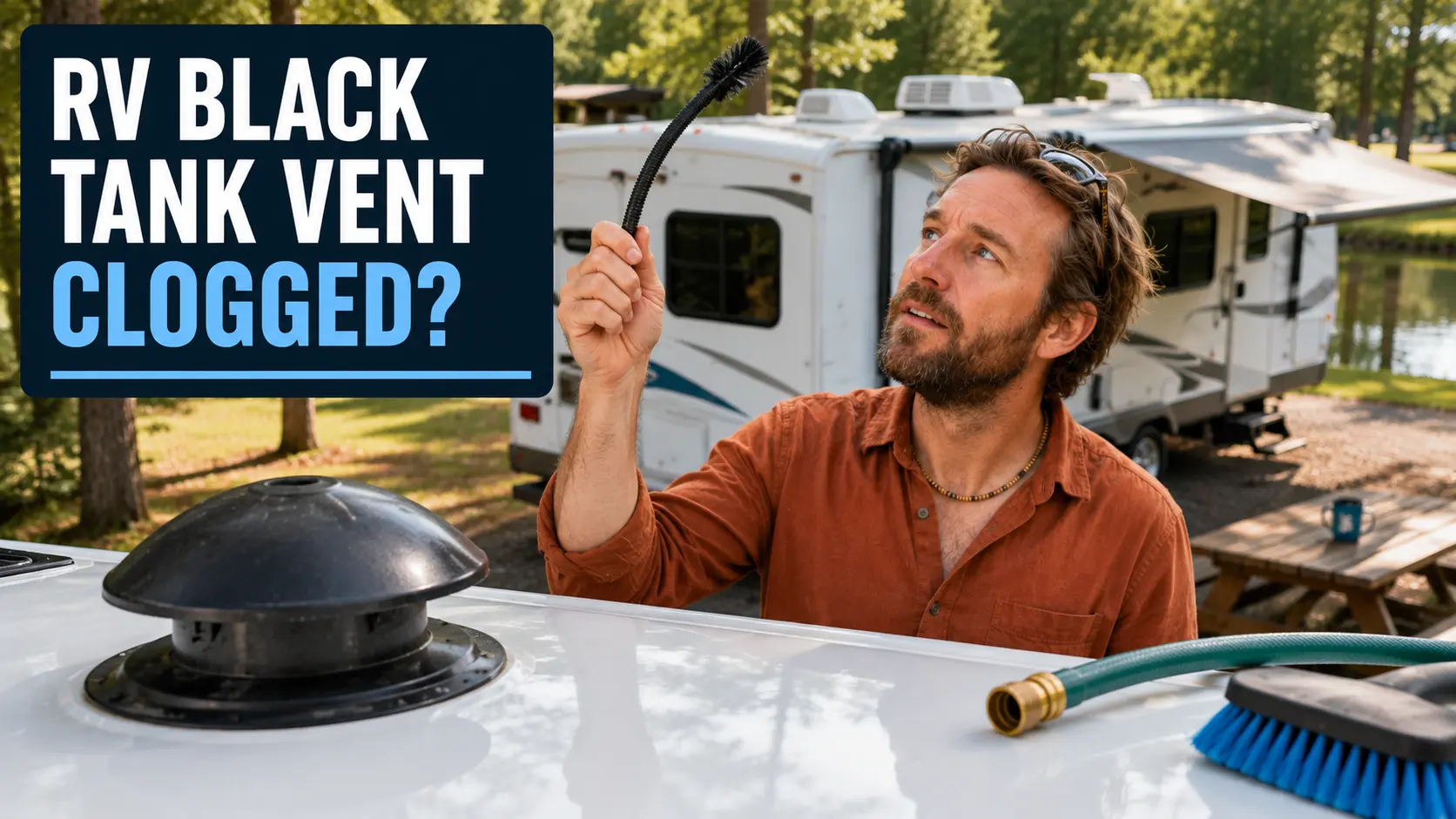
Yes, if the odor is caused by buildup or residue inside the tank. If the smell comes from a vent issue or dry seals, you may need a different fix.
Will these products unclog a black tank?
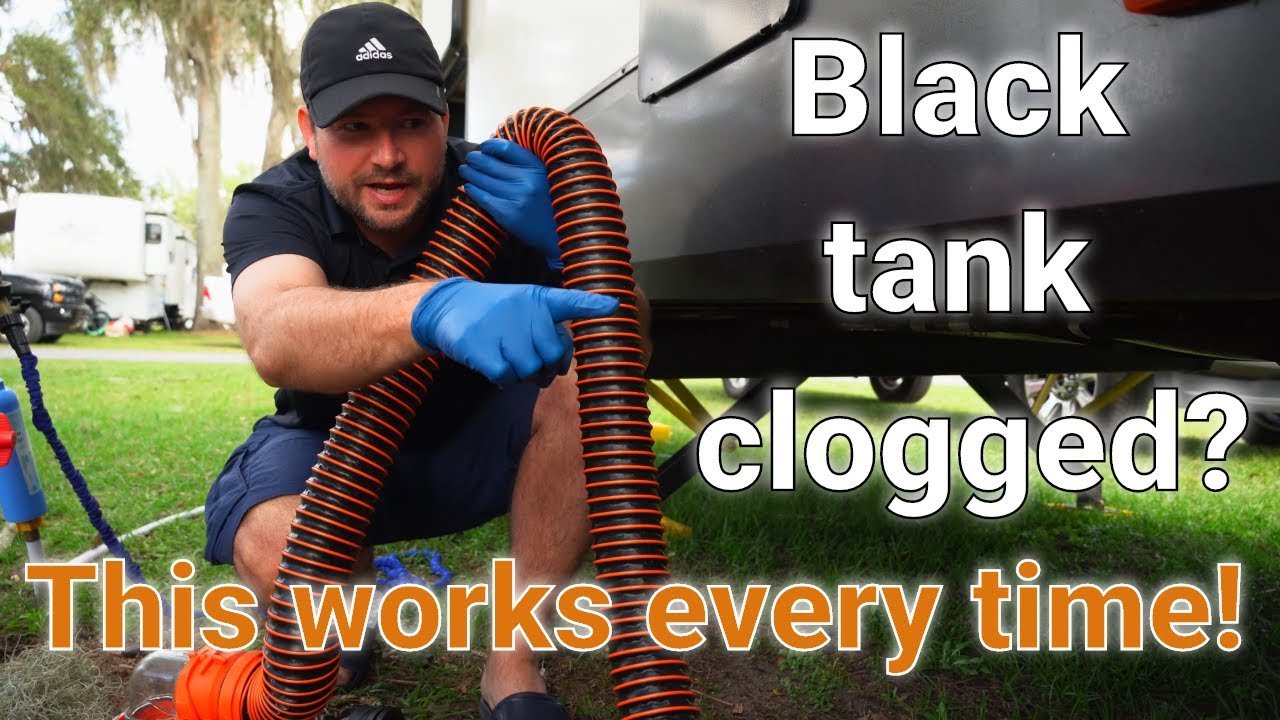
They may help with minor buildup, but they are not a substitute for mechanical unclogging if there is a serious blockage. If the tank is fully clogged, safer physical cleaning or professional service may be needed.
Do I still need water in the tank if I use treatment?
Yes, water is essential. It helps waste move, supports product performance, and reduces the chance of solids sticking to the bottom.
Which is better for older RVs?
Older RVs often benefit from both. A holding tank cleaner can remove long-term buildup, then a black tank treatment can help maintain the system afterward.
Conclusion
The difference between RV Black Tank Treatment vs Holding Tank Cleaner comes down to maintenance versus deep cleaning. Treatment helps manage odor and waste during normal use, while cleaner removes buildup, residue, and sensor grime that treatment alone cannot fix. If you use each product for the right job, your tank system will work better and smell far less unpleasant.
The smartest approach is simple: clean when needed, treat regularly, and always use enough water. That routine protects your RV, saves you time at the dump station, and makes every trip a little easier. If you want more RV care tips, keep learning, test what works for your setup, and share your experience with other RV owners.