
Treat black tanks after each use: add recommended treatment, let it work, then flush well.
Keeping an RV’s black tank in good condition takes more than adding a treatment after dumping. Water use, correct dosing, and regular tank maintenance all matter. This guide explains How to Use RV Black Tank Treatment, including when to add it, how to follow product-specific instructions, and which mistakes to avoid.
Drawing on years of working with RV systems and helping owners maintain their tanks, I’ll explain what treatments can—and cannot—do. You’ll learn how to check product compatibility, manage everyday odors, and recognize problems that require cleaning or troubleshooting rather than another dose. Always follow your RV owner’s manual and the treatment label, since formulas and application requirements vary.

Why RV black tank treatment matters
The black tank holds sewage from the toilet. Without treatment, solids build up and odors form. Bacteria that break down waste need help to work fast and prevent clogs. Knowing how to use RV black tank treatment protects your plumbing and improves campsite comfort.
Benefits of proper treatment:
- Reduces odors and gas buildup.
- Speeds breakdown of solids and toilet paper.
- Makes dumping and flushing easier and cleaner.
- Extends life of valves and plumbing.
I have seen clogged black tanks fixed simply by changing treatment habits. A small regular dose prevents big problems later. Use the right product and follow the steps to get the best results.

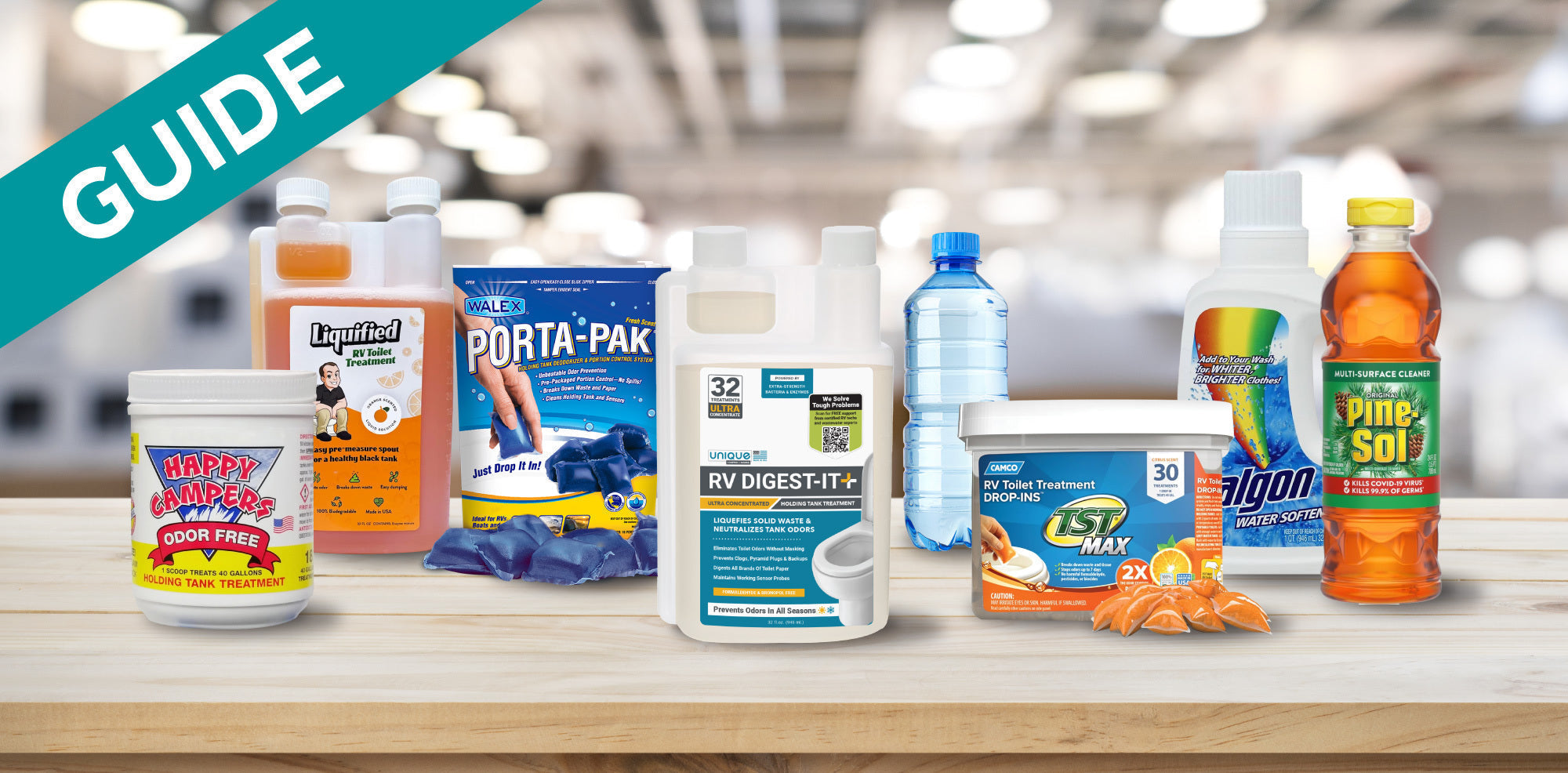
Types of RV black tank treatments
There are several product types. Choose one that fits your RV and your preferences.
Common types:
- Formaldehyde-based treatments: Very effective at killing odor but harsh and regulated in some places.
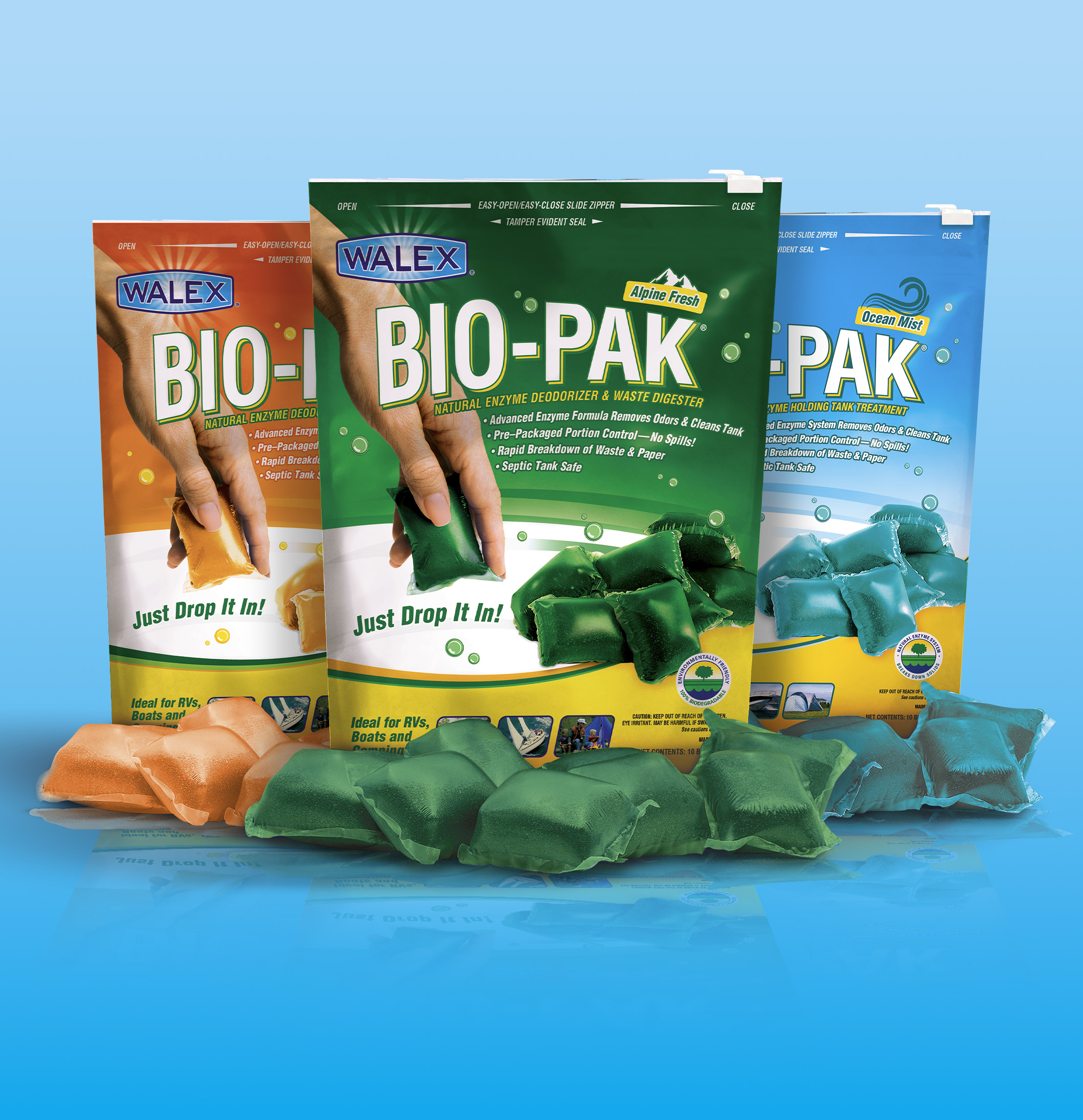
- Enzyme-based treatments: Use enzymes and beneficial bacteria to break down waste.
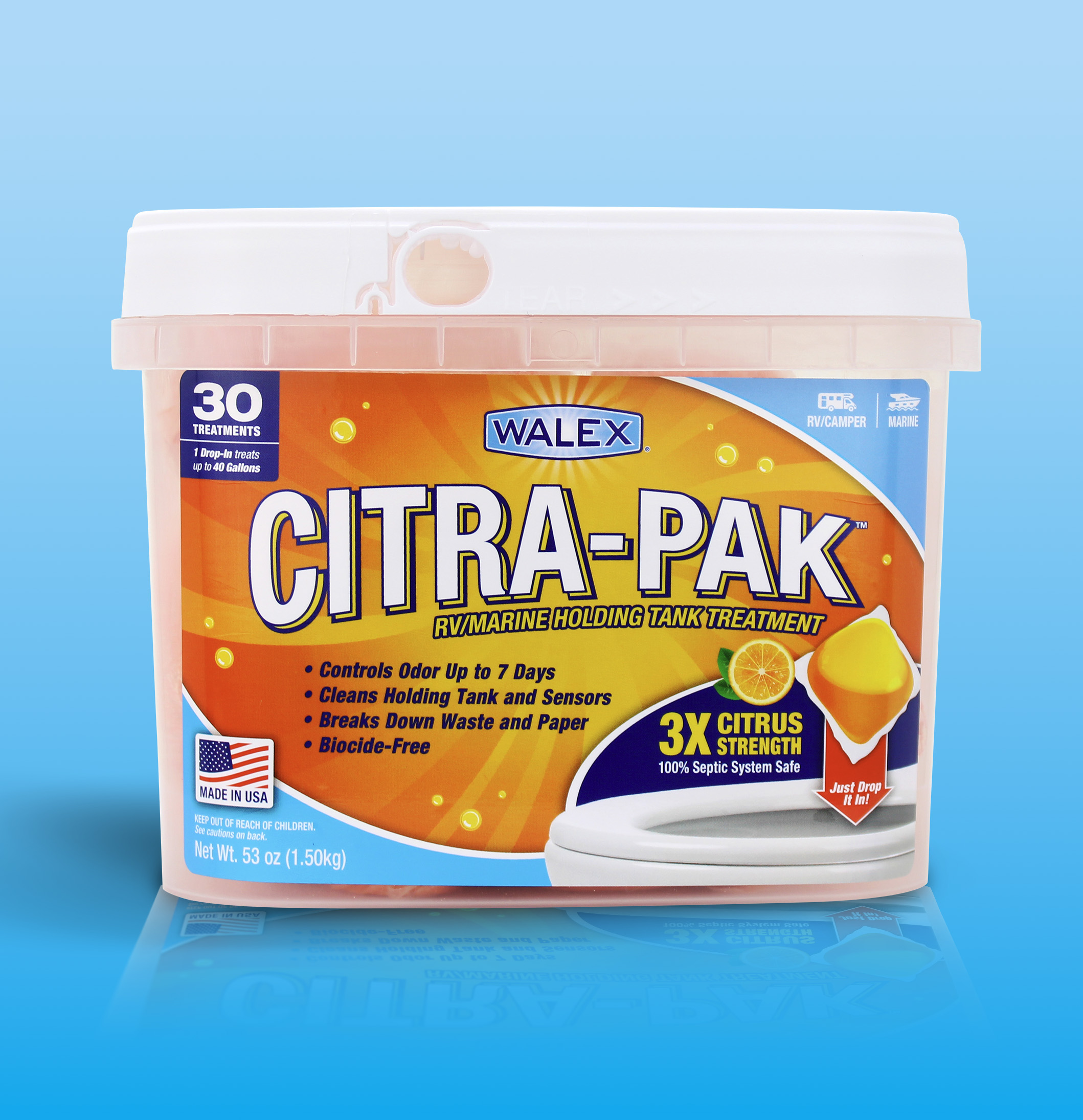
- Natural or citrus-based treatments: Mild, often scented, and safe for the environment.
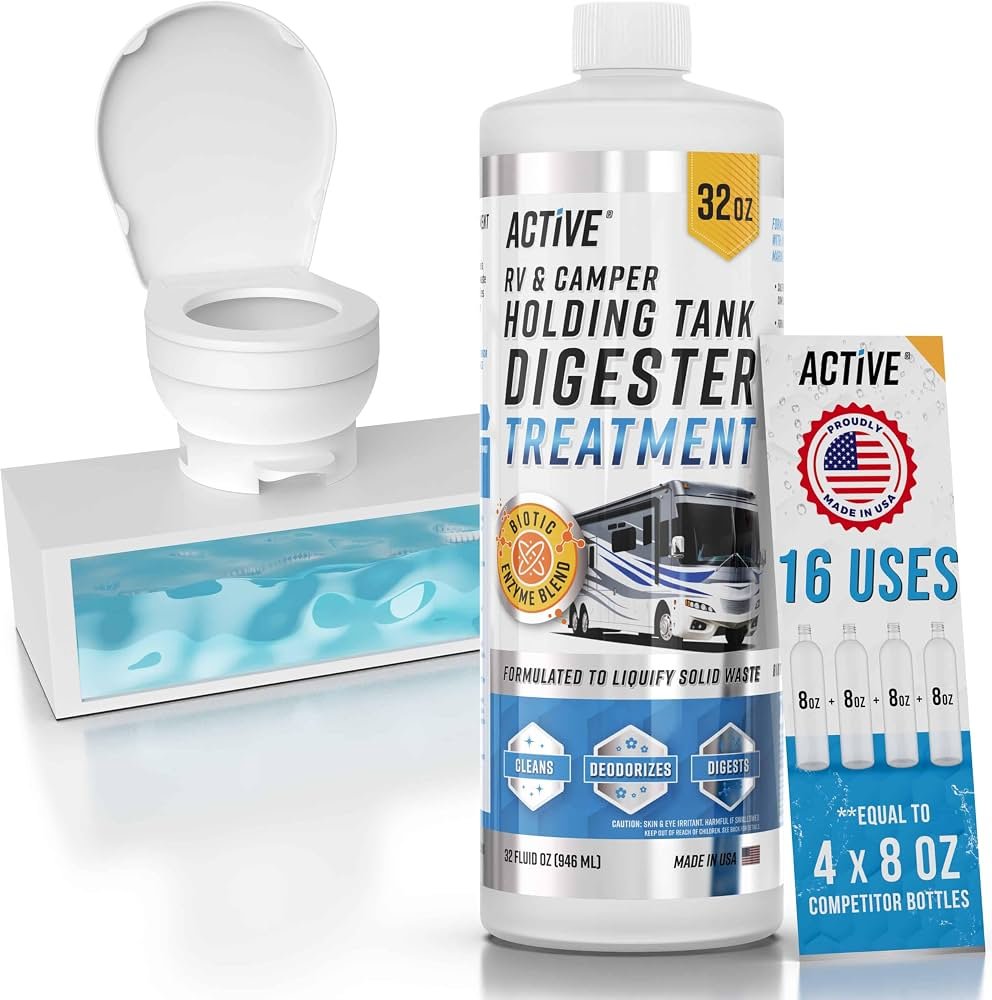
- Powder tablets and concentrated liquids: Different forms for storage and dosing.
Each type has pros and cons. Formaldehyde acts fast but can harm septic systems and is banned in some parks. Enzyme-based treatments are safer and work steadily. I prefer enzyme formulas for regular use and reserve stronger options only when needed.
How to Use RV Black Tank Treatment: Step-by-step
Follow these steps each time you treat your black tank. These are simple and work for most RV systems.
- Prepare the tank
- Make sure the tank has some water in it, at least a few gallons. Water helps dissolve treatment and carry enzymes.
- If the tank is dry, add 1–2 gallons before treatment.
- Add the treatment
- Follow product directions for dosage. Most liquids use 1–2 ounces per 20–30 gallons; tablets follow package directions.
- Pour the treatment directly into the toilet bowl and flush. This helps move product into the tank quickly.
- Let it work
- Allow the treatment time to act. Enzyme formulas may need 12–48 hours for best results.
- Avoid heavy chemical cleaners or bleach in the same tank. They kill the useful bacteria.
- Break down solids and paper
- Use the recommended toilet paper for RVs. It breaks down faster.
- If buildup exists, use a tank rinser or hold tank brush when safe at a dump station.
- Flush and dump properly
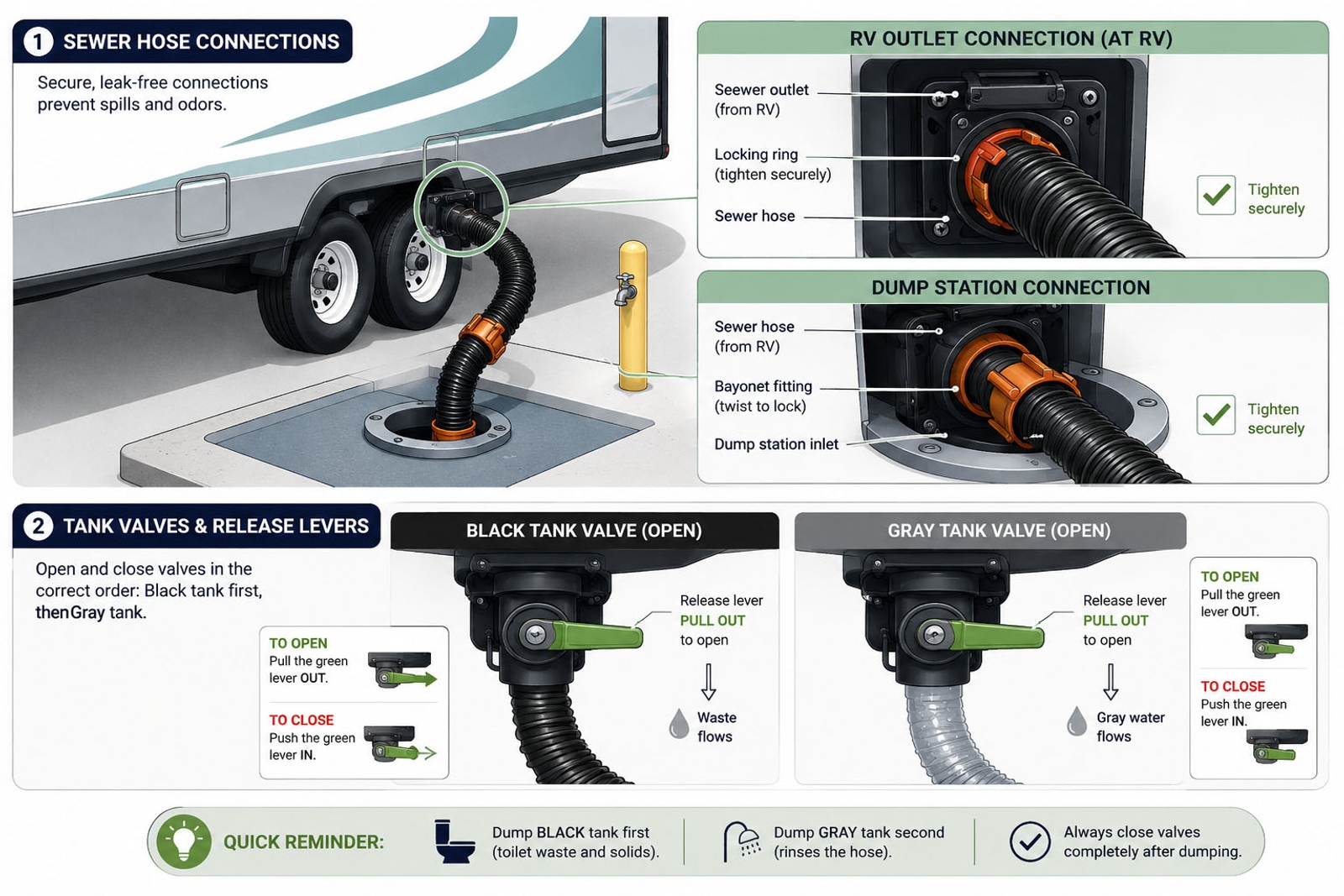
- Dump the black tank at a proper facility. Open the valve slowly at first to let solids shift.
- After dumping, flush the tank with fresh water and add a cup of water and a small dose of treatment to keep the system conditioned.
Practical tip: When winterizing, remove or reduce active biological treatment first. Follow product guidance for freeze protection.
Dosage, timing, and frequency
Dosage depends on product and tank size. Use the manufacturer’s label as a baseline. Below are general rules I use from experience.
General dosing guidelines:
- For liquid enzyme treatments: 1 ounce per 20–30 gallons weekly under normal use.
- For tablet formulas: One tablet per 10–15 gallons or per label instructions.
- For heavy use (multiple people or long trips): double the dose or treat twice weekly.
Timing tips:
- Add treatment after each dump or at least once per week.
- For short trips, add treatment before you leave to reduce odor.
- For extended storage, dose before storing and check periodically.
Avoid overuse. Too much chemical can be wasteful and may harm seals. I once overdosed a tank and noticed foaming and residue; cutting back to label instructions solved it.
Maintenance tips and best practices
Routine maintenance keeps your black tank healthy. Simple habits reduce problems and improve performance.
Daily and weekly care:
- Use RV-safe toilet paper only.
- Keep some water in the tank at all times.
- Empty black tank regularly; don’t let it sit full for months.
- Rinse the tank after dumping. Use a tank rinser nozzle or integrated system.
Tools and supplies to keep on board:
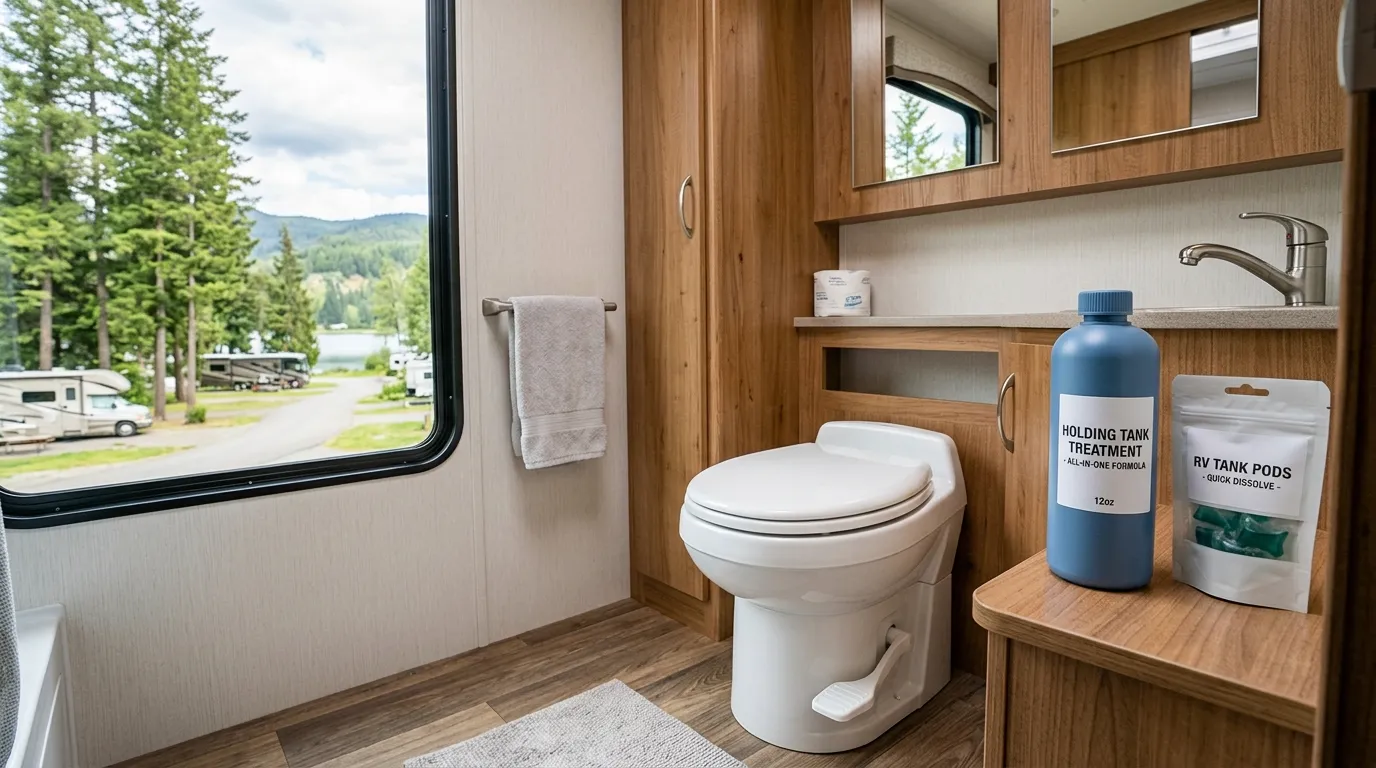
- A reliable RV tank treatment product.
- A flush nozzle or external tank rinser.
- Gloves and a spare sewer hose.
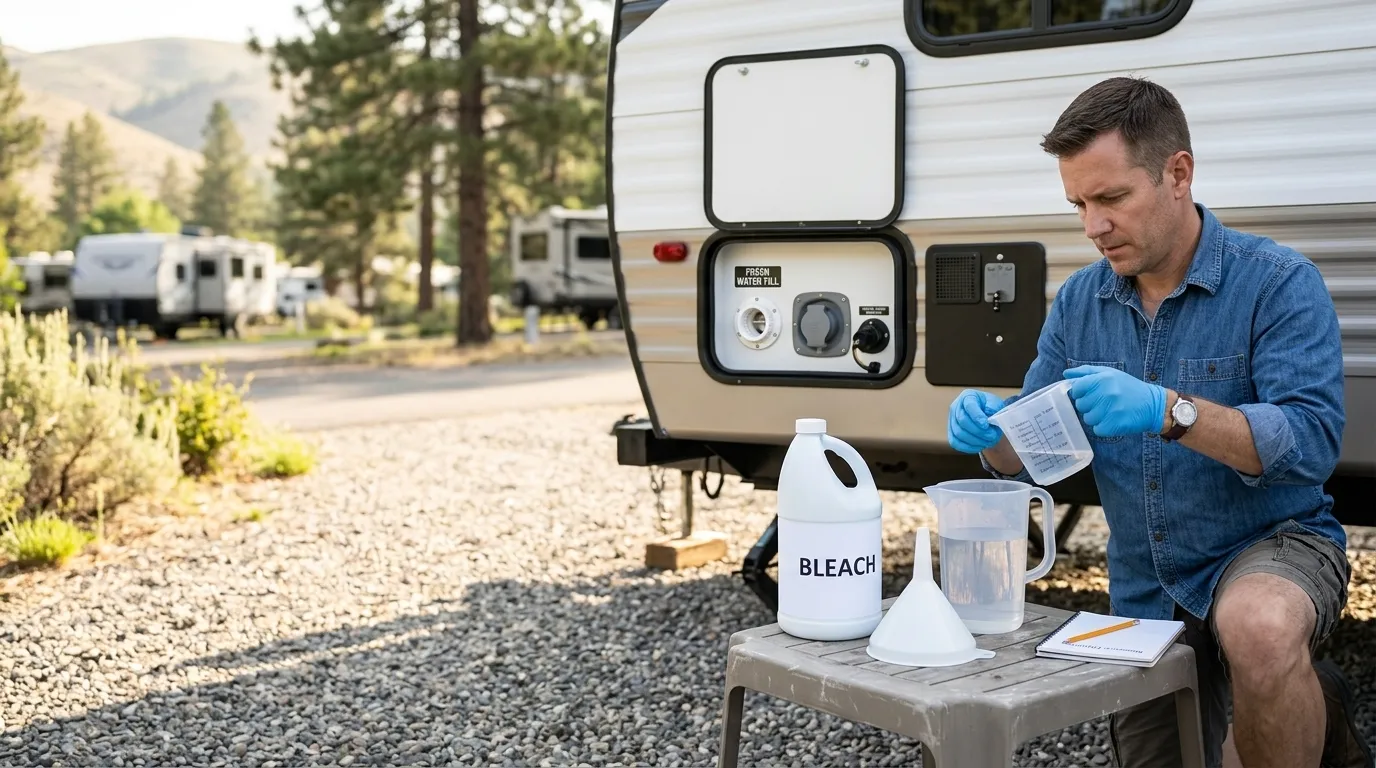
- A small funnel or measuring cup for accurate dosing.
Common mistakes to avoid:
- Using household bleach or drain cleaner in the black tank.
- Forgetting to add water before treatment.
- Using non-RV toilet paper that clogs and resists breakdown.
From experience, the most common error is inconsistent dosing. Treating weekly prevents buildup and saves time. Keep a small dosing schedule sticker near your control panel.

Troubleshooting common problems
If you run into trouble, diagnose quickly and act. The right fix usually clears the issue.
Problem: Strong odors while parked
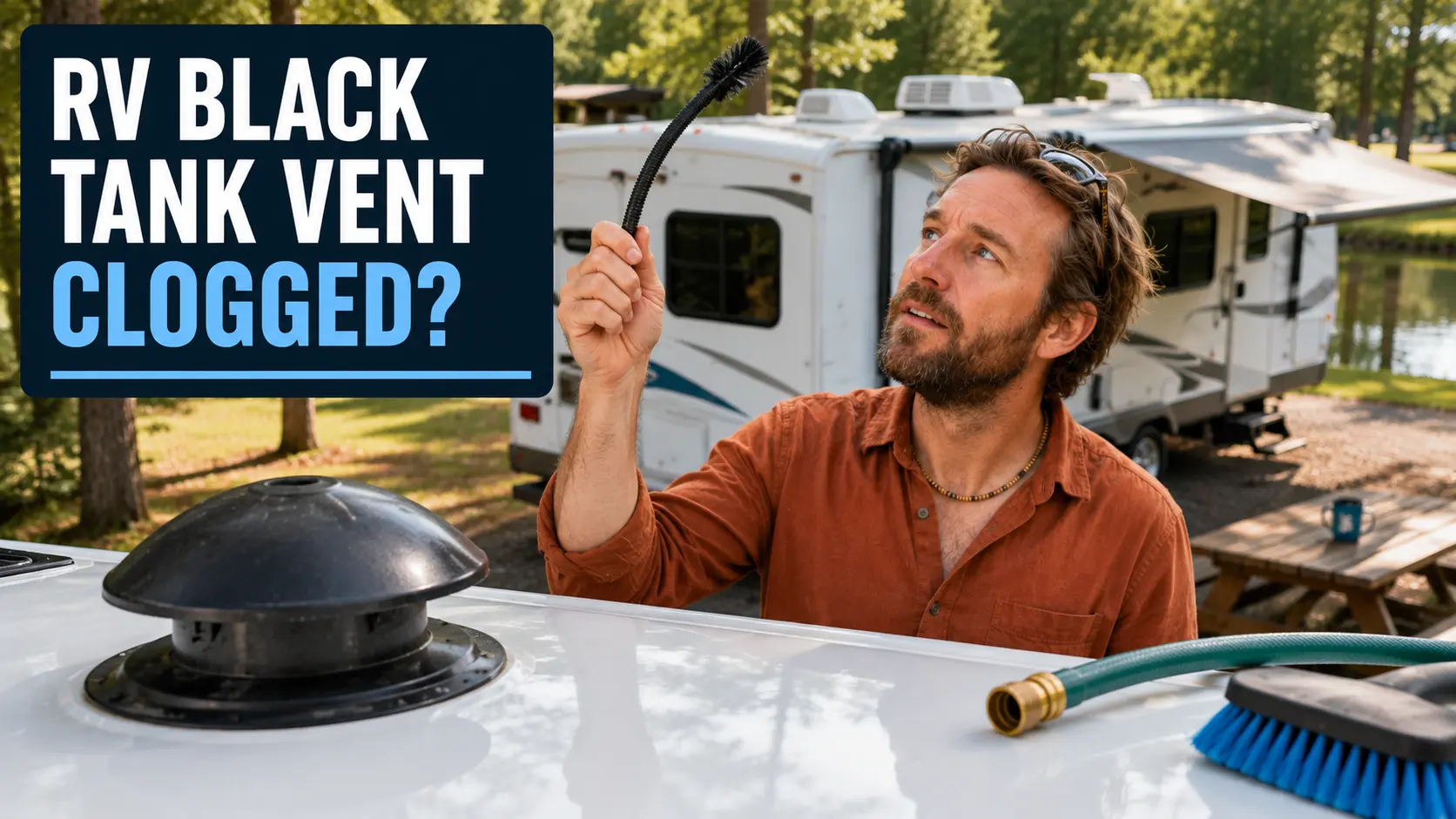
- Check seals and vents first. Add treatment and flush the tank. Run some water into the bowl and leave a small amount in the tank.
Problem: Slow drain or solids build-up
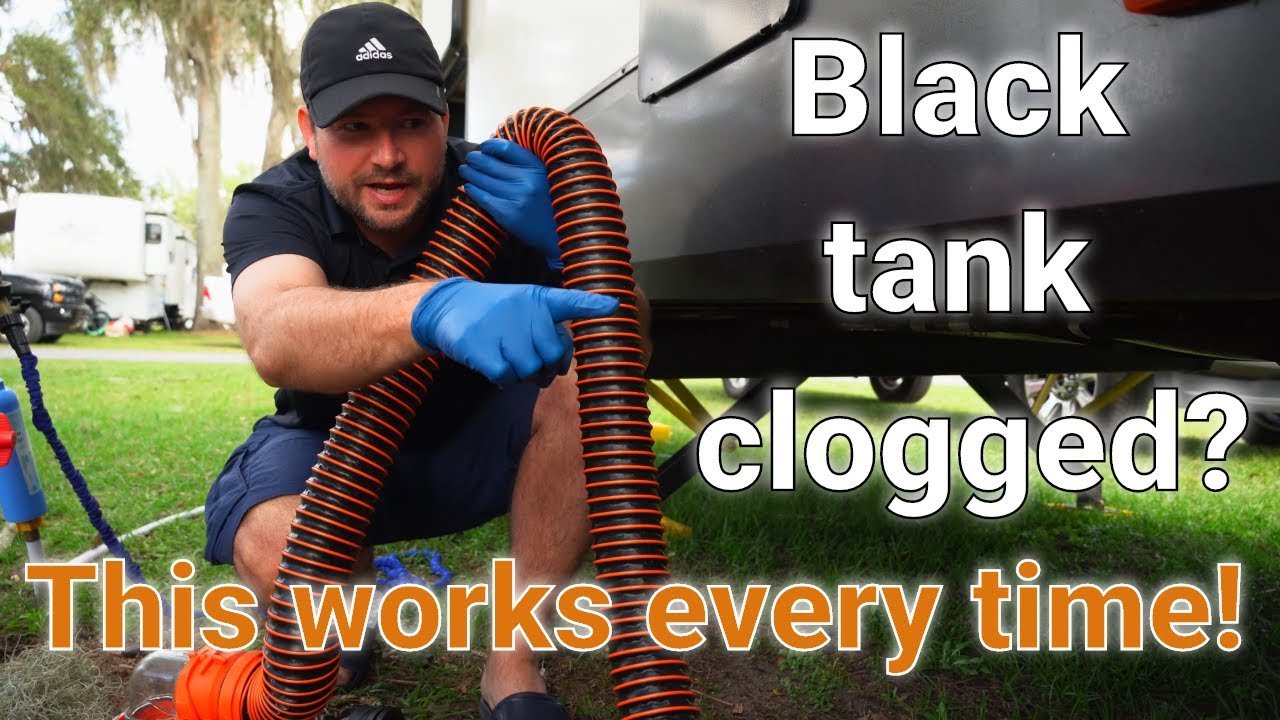
- Add a high-dose enzyme treatment and let it sit 24–48 hours. Then dump and use a tank rinser.
Problem: Foaming or excess suds after treatment
- Reduce or stop soap-based cleaners and switch to enzyme-based treatment. Flush tank with fresh water.
Problem: Treatment seems ineffective
- Verify dosage and product type. Avoid using bleach, antibacterial cleaners, or heavy-duty detergents that kill active bacteria.
If problems persist, inspect the valve and outlet for mechanical failure. Replace worn seals and use recommended spare parts from a reputable supplier.

Personal experience and lessons learned
I have managed RVs and taught owners on camping trips. Here are the key lessons I share.
What worked for me:
- A small, weekly enzyme dose kept tanks clean for years.
- Using RV-safe toilet paper reduced clogs dramatically.
- Carrying a tank rinser made dumps cleaner and faster.
Mistakes I made:
- Using household chemicals that ruined a sensor. I learned to read labels carefully.
- Skipping treatment on a long trip led to a stubborn clog that required professional help.
My advice: Build a simple routine. Treat, add water, and flush. The effort is small, and the reward is fewer problems on the road.
Frequently Asked Questions of How to Use RV Black Tank Treatment
What is the best way to add black tank treatment?
Pour the recommended dose into the toilet bowl and flush. This moves the product into the tank and mixes it with waste and water.
Can I use household bleach or cleaners in my black tank?
No. Household bleach and strong cleaners can kill beneficial bacteria and damage seals. Use RV-safe or enzyme-based treatments instead.
How often should I treat my black tank?
Treat at least once a week during regular use and after each dump for heavy use. Frequency increases with more occupants or longer trips.
Will black tank treatment unclog a badly backed-up tank?
Enzyme treatments can help break down organic buildup over time but may not clear severe mechanical clogs. For major blockages, professional service may be needed.
Is formaldehyde-based treatment safe for all campgrounds?
No. Some parks restrict or ban formaldehyde-based products due to environmental rules. Use enzyme or eco-friendly alternatives when required.
Conclusion
Using RV black tank treatment the right way keeps your system working and your trip pleasant. Follow the simple steps: add the correct dose, keep water in the tank, avoid harsh chemicals, and flush well after dumping. Start a small routine and stick to it. Your RV will smell better, last longer, and need fewer repairs. Try the steps here on your next trip, share your results, and consider subscribing for more RV maintenance tips.