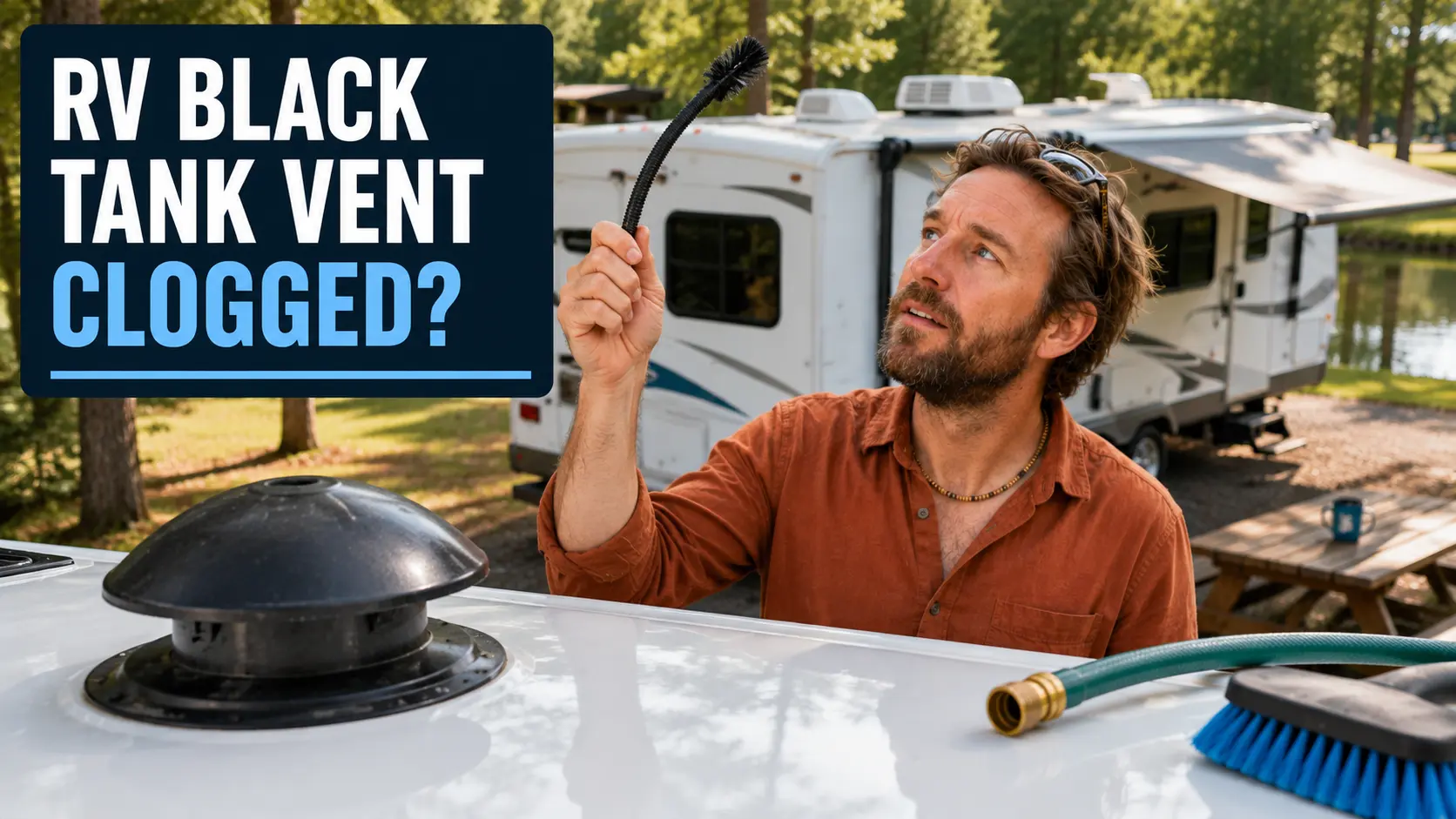

Most RV black tank clogs come from low water, wipes, and hardened waste.
A backed-up black tank can quickly disrupt your trip, but identifying the cause is the first step toward clearing it. If you’re searching for RV Black Tank Clogged solutions, I’ll share what I’ve learned from fixing hundreds of holding tank problems in the field—including stubborn pyramid plugs and blockages that respond to backflushing. I’ll walk you through the initial checks, explain when different clearing methods are appropriate, and highlight mistakes to avoid. You’ll also learn the maintenance habits I recommend to help prevent another clog.

Understanding how the black tank works and why clogs happen
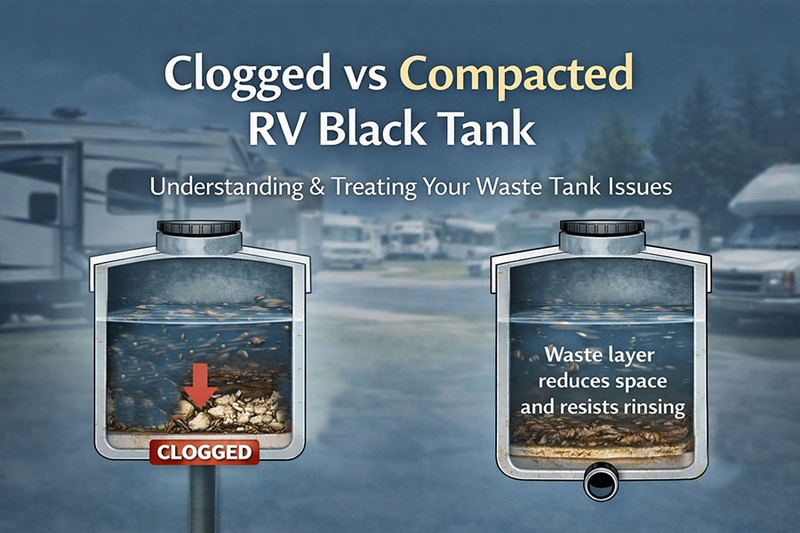
Your RV black tank is a holding tank for toilet waste and water. A gate valve at the outlet lets you dump into a sewer or tote. Clogs form when solids outpace water or when non-dissolving items get stuck. Search intent like rv black tank clogged often traces back to simple water mistakes.
- Not enough water before and after each flush. Dry solids stick and stack.
- Leaving the black valve open at a hookup. Solids pile into a pyramid while water drains away.
- Wipes, paper towels, feminine products, and “flushable” wipes. These do not break down well.
- Long-term buildup of urine scale and paper. It creates a crust on tank walls and the drop zone.
- A blocked roof vent or kinked vent line. Poor airflow leads to slow, gurgling flushes.
- Cold temps or freezing. Waste can harden and stall flow at the outlet or elbow.
- A failing gate valve or cable. Partial opening makes a choke point at the outlet.
When you see rv black tank clogged in forums, water use and bad habits are the top reasons. The good news is most clogs clear with a methodical approach and the right tools.

Symptoms and quick diagnosis
A classic rv black tank clogged issue shows as slow or no flow at the dump. You may hear a toilet burp, smell strong odor, or see water rise in the bowl. The tank gauge may read full even after dumping.
Use these checks:
- Look down the toilet with a light. If you see a cone of paper and solids, that is a pyramid plug.
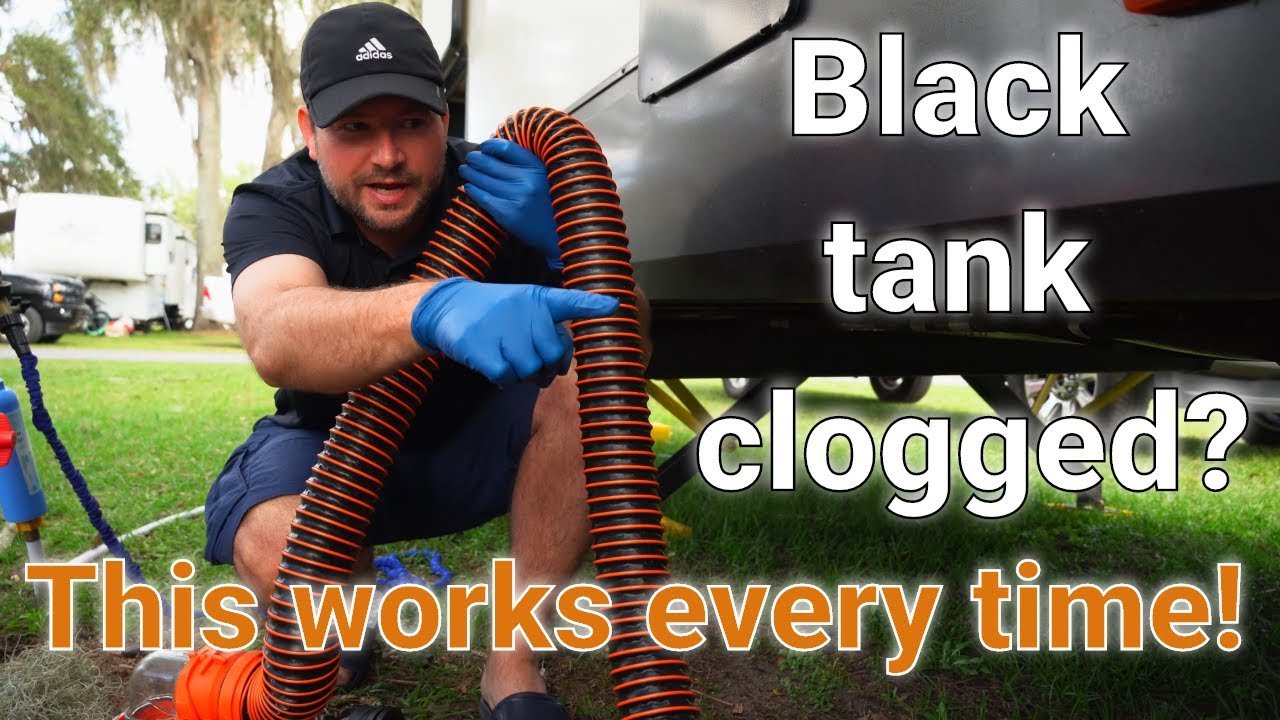
- Attach a clear 45-degree elbow at the sewer outlet. Watch color and chunks during a rinse.
- Check the roof vent. A blocked vent causes slow drain and burping.
- Verify the gate valve is fully open. Sticking handles or cables can mimic a clog.
- Do a water test. Add 3–5 gallons, then try a backflush. Note how fast the level moves.
If the tank drains but sensors still read full, it may be residue on the sensors, not a true clog.
Safety, prep, and tools you need
Before you tackle rv black tank clogged, gear up and set a safe work zone. Wear nitrile gloves and eye protection. Park on level ground and chock the wheels.
Helpful gear:
- Dedicated non-potable hose with a water pressure regulator set to about 40–50 psi.
- Reverse flush valve or backflush adapter with a clear window.
- Tank rinse wand for use through the toilet. A flexible tip helps reach the drop zone.
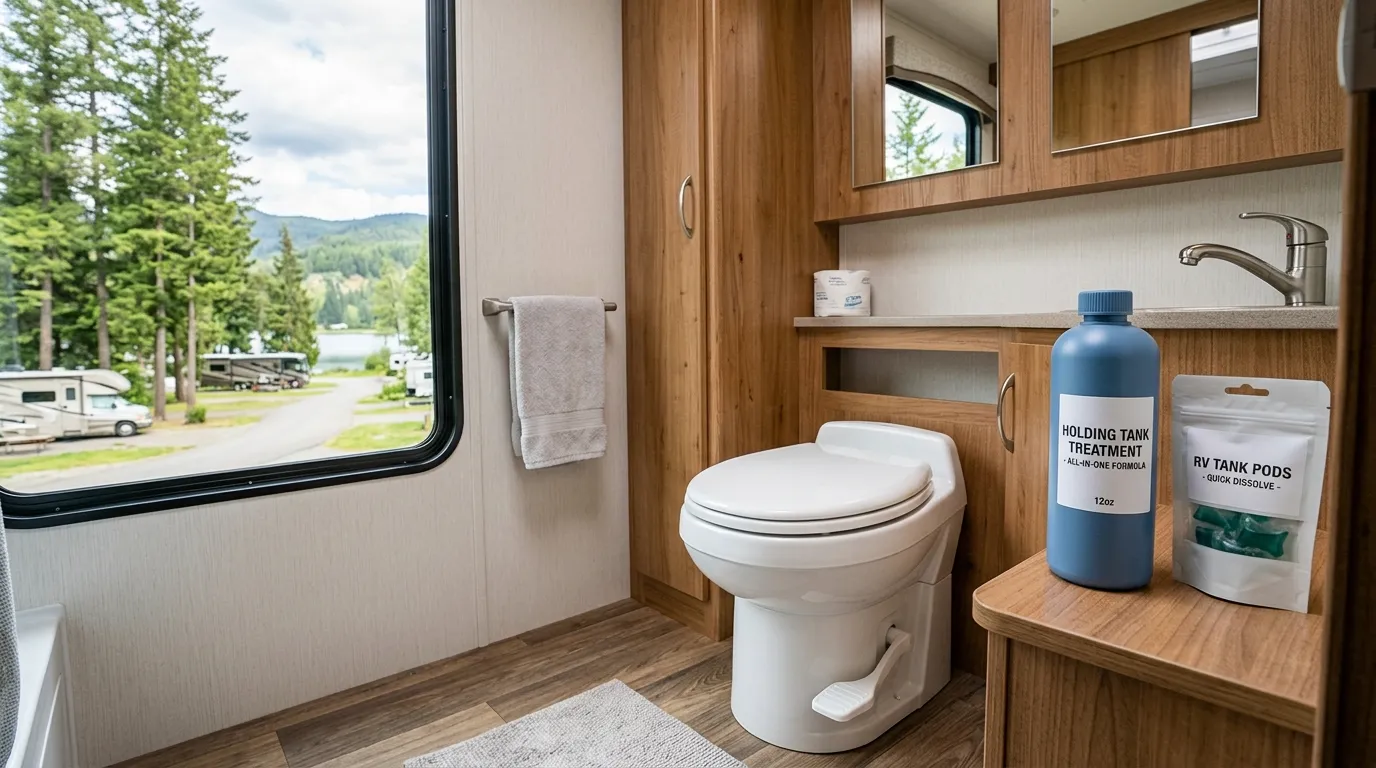
- Enzyme or bacterial tank treatment. Choose products safe for septic systems.
- Sewer hose, clear elbow, rubber donut, and a sturdy sewer connection.
- Buckets, towels, shop rags, and a small flashlight.
- Optional flexible auger made for RV use. Avoid sharp tips that can harm seals.
Avoid chemical drain openers. Strong caustics can damage seals, valves, and plastics. Bleach can kill helpful bacteria and create harsh fumes in tight spaces.

Step-by-step methods to clear an rv black tank clogged
Use these methods in order, from gentle to strong. Most clogs clear with water, time, and agitation. This approach protects your tank and hardware.
Method 1: The fill-and-soak reset
- Close the gate valve. Add 8–12 gallons of water through the toilet. Mix in an enzyme treatment.
- Let it soak for several hours, or overnight if you can. The goal is to rehydrate and soften the plug.
- Drive a few miles to slosh if possible. Then dump. Repeat once if needed.
- This method fixes most rv black tank clogged cases without tools.
Method 2: Backflush with a reverse flush valve
- Attach a reverse flush adapter at the outlet. Connect the dedicated hose with a regulator.
- Open the gate valve. Pulse water in 20–40 second bursts while watching the clear elbow.
- Alternate fill and drain until chunks stop and water runs tea-colored, not black.
- Backflush clears stubborn rv black tank clogged pileups at the outlet.
Method 3: Agitate with a rinse wand through the toilet
- Shut off water. Close the valve. Insert a flexible wand through the toilet into the drop zone.
- Spray around the base of the pyramid, not straight down. Keep water pressure moderate.
- Open the valve and let the slurry flow. Alternate spray and drain until clear.
Method 4: Soap and softener assist
- Close the valve. Add 3–4 gallons warm water, a small squirt of mild dish soap, and a half-cup of water softener.
- Soak 2–4 hours, then backflush. This breaks film and helps paper release.
Method 5: Gentle mechanical breakup
- If a wad of wipes or a paper knot sits at the drop, use a flexible RV-safe auger.
- Work slowly. Do not force. Avoid sharp metal tips that can nick plastic or seals.
Method 6: Call a pro for hydro-jet or vacuum extraction
- If these steps fail, a mobile tech can hydro-jet or pump the tank.
- Pros can also inspect valves, lines, and the vent with a scope for hidden faults.
Tip: Between cycles, close the valve and let water build head pressure for a minute. Then dump. That short surge often dislodges the last chunk.
Special cases and hard clogs
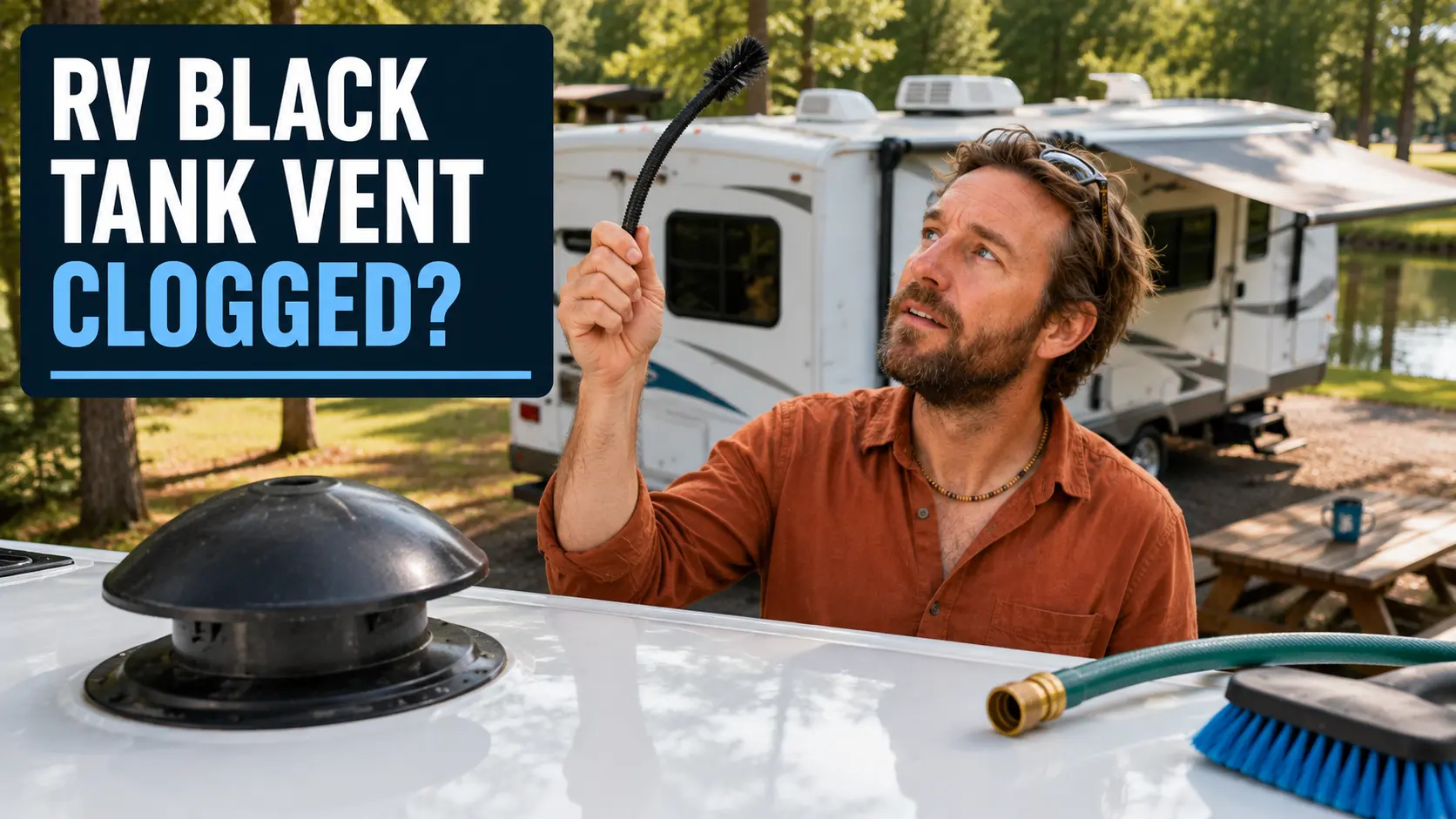
The worst rv black tank clogged problem is a pyramid plug. This forms when the valve is left open and solids stack at the drop. Fix it with a long soak, then a wand aimed at the base, not the top.
Other tricky cases:
- Wipes or foreign objects: Expect a mechanical removal or pro service. Enzymes will not dissolve synthetic fibers.
- Mineral or urine scale: Use a long soak with warm water, gentle surfactant, and softener to loosen the crust.
- Frozen waste: Warm the bay safely, delay dumping until thawed, and avoid high pressure on ice.
- Blocked vent stack: Clear leaves or nests from the roof cap. A vent blockage mimics a clog.
- Valve or cable failure: If the handle moves but the blade stays shut, the cable or blade needs service.
If the tank drains but sensors stay “full,” clean sensors with a rinse, then soak with enzyme. Sensor errors are common and do not always mean a blockage.
Products that work (and what to avoid)
Enzyme and bacterial digesters help keep waste soft and moving. They are safe for seals and septic systems. Mild surfactants and water softener help release film from walls.
Useful tools:
- Clear elbow and reverse flush adapter. You can see progress during backflush.
- Flexible rinse wand with a gentle spray head. It reaches the drop zone.
- Quality sewer hose with tight fittings. Leaks slow your work and make a mess.
Avoid:
- Caustic drain openers. They can harm ABS, seals, and skin.
- Strong bleach mixes. They kill helpful bacteria and create fumes.
- The ice cube myth. Ice does not scrub enough to matter. Water, time, and agitation do the real work.
Some products can make rv black tank clogged worse if they rely on heavy perfumes or gels. Stick to simple, proven treatments and lots of water.

Preventing an rv black tank clogged every trip
Good habits beat any miracle chemical. Water is the key. Train everyone in the rig to follow these rules.
Daily habits:
- Water first: Start with 1–2 gallons of water in an empty tank before use.
- Hold the pedal longer: After solids, add at least 10 seconds of water.
- Use septic-safe toilet paper. Most 1–2 ply septic-safe brands are fine. Do a jar test if unsure.
- Keep the black valve closed until you are ready to dump. Never leave it open at a full hookup.
- Dump sequence: Black first, then gray, to rinse the hose.
Routine care:
- Deep rinse monthly or every 3–5 dumps. Backflush until water runs light.
- Add an enzyme dose after each dump with a few gallons of water.
- Inspect the roof vent and seals each season. Replace brittle gate valve seals as needed.
These habits stop rv black tank clogged on the road. They also keep sensors cleaner and odors down.
Field notes from the road
I faced an rv black tank clogged miles from a dump station while boondocking. The tank burped, and the bowl filled fast. I closed the valve, added 10 gallons of water with enzyme, and let it sit overnight.
The next morning, I drove five miles of washboard roads. At the dump, I used a reverse flush and watched the cone collapse in the clear elbow. Lesson learned: never leave the valve cracked and always add water first.
Troubleshooting checklist and when to call a pro
Work this list top to bottom before you escalate. It will save time and stress. It also helps you explain the issue if you call a tech.
Checklist:
- Is the gate valve fully open and moving smooth?
- Is the roof vent clear of debris?
- Did you add at least 8–12 gallons to soak and rehydrate the plug?
- Have you backflushed in pulses with a regulated hose?
- Did you agitate with a rinse wand at the base of the plug?
- Are you sure it is not just dirty sensors?
Use this checklist when rv black tank clogged keeps returning. If you still have trouble, call a mobile tech for hydro-jetting or inspection. Repeated clogs point to a vent, outlet, or valve fault.
Frequently Asked Questions of rv black tank clogged
How do I unclog my tank if I am off-grid without a sewer hookup?
Add 8–12 gallons of water and an enzyme, then let it soak. Drive to slosh, then dump at the next station and backflush.
Can I use bleach to clear a clog?
Use enzymes instead. Bleach kills good bacteria and can damage parts if overused, and it will not break down wipes.
What is the fastest safe method to clear a tough clog?
Pulse backflush with a clear elbow and a regulator at 40–50 psi. Alternate soak and drain until chunks stop and water lightens.
Is toilet paper the problem, or is it a myth?
Most septic-safe 1–2 ply paper is fine if you use enough water. The real issue is low water and leaving the valve open.
Why does my toilet burp and smell during a clog?
Air cannot vent through the roof stack, or waste blocks the drop zone. Clear the vent, add water, then soak and backflush.
Do ice cubes in the tank help scrub the walls?
No, the ice cube trick is a myth. Soak, backflush, and wand agitation work far better.
How long should I soak a pyramid plug?
Several hours is good, and overnight is better. Longer soaks rehydrate waste so it breaks apart cleanly.
Can I leave the black valve open at a full hookup site?
Do not leave it open. Solids will pile into a pyramid and cause a clog and odor.
How do I know it is the vent and not the tank?
If the toilet burps but the tank is not full, check the roof vent for a nest or debris. A quick clean often restores normal flow.
What PSI is safe for flushing?
Use a regulator set around 40–50 psi, or follow your RV’s manual. Avoid high-pressure sprayers that can stress fittings.
Conclusion
A clogged RV black tank is fixable with calm steps, water, and the right tools. Start with a good soak, then backflush and agitate at the base of the plug. Build new habits—water first, valve closed, deep rinse often—to prevent the next clog.
Take action today. Stock a reverse flush valve, a rinse wand, and an enzyme treatment. If this guide helped, share it with a fellow RVer, subscribe for more field-tested tips, or drop your questions in the comments.