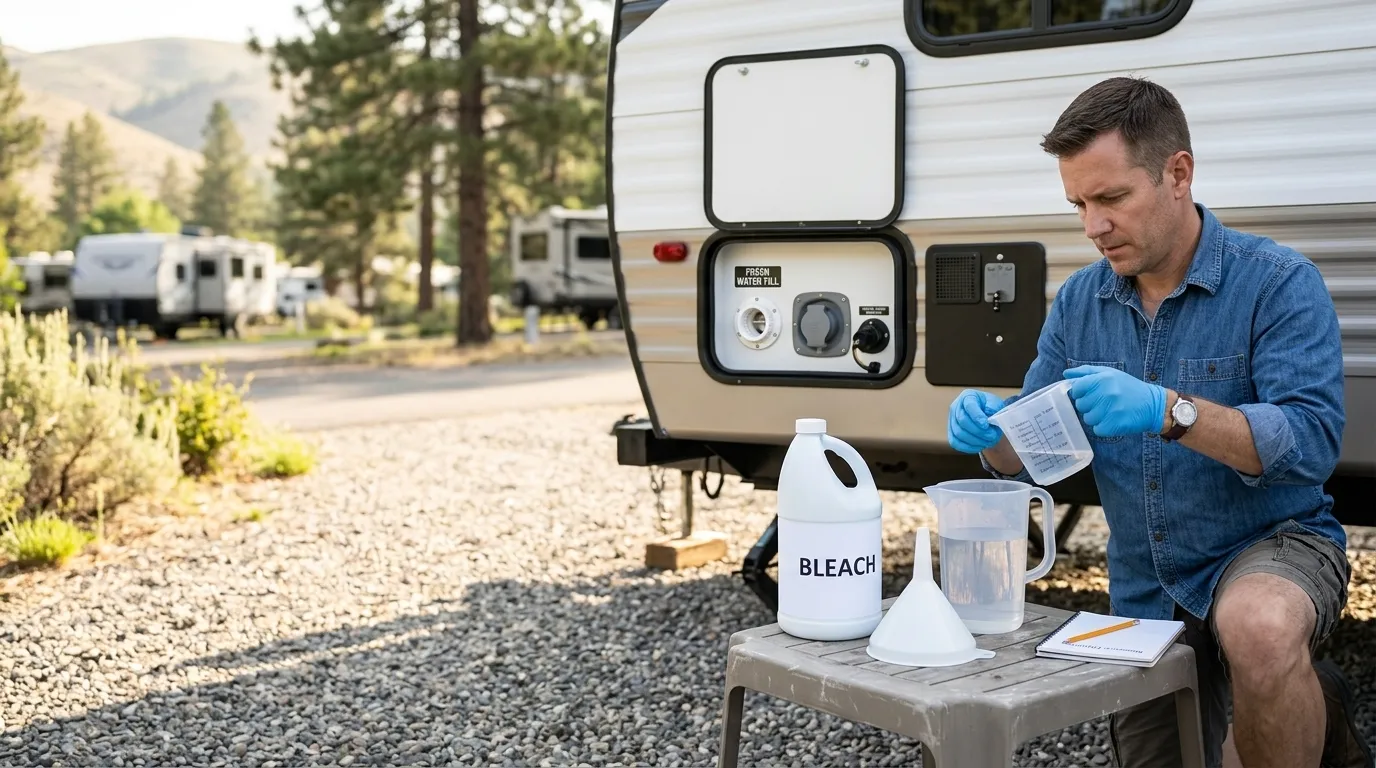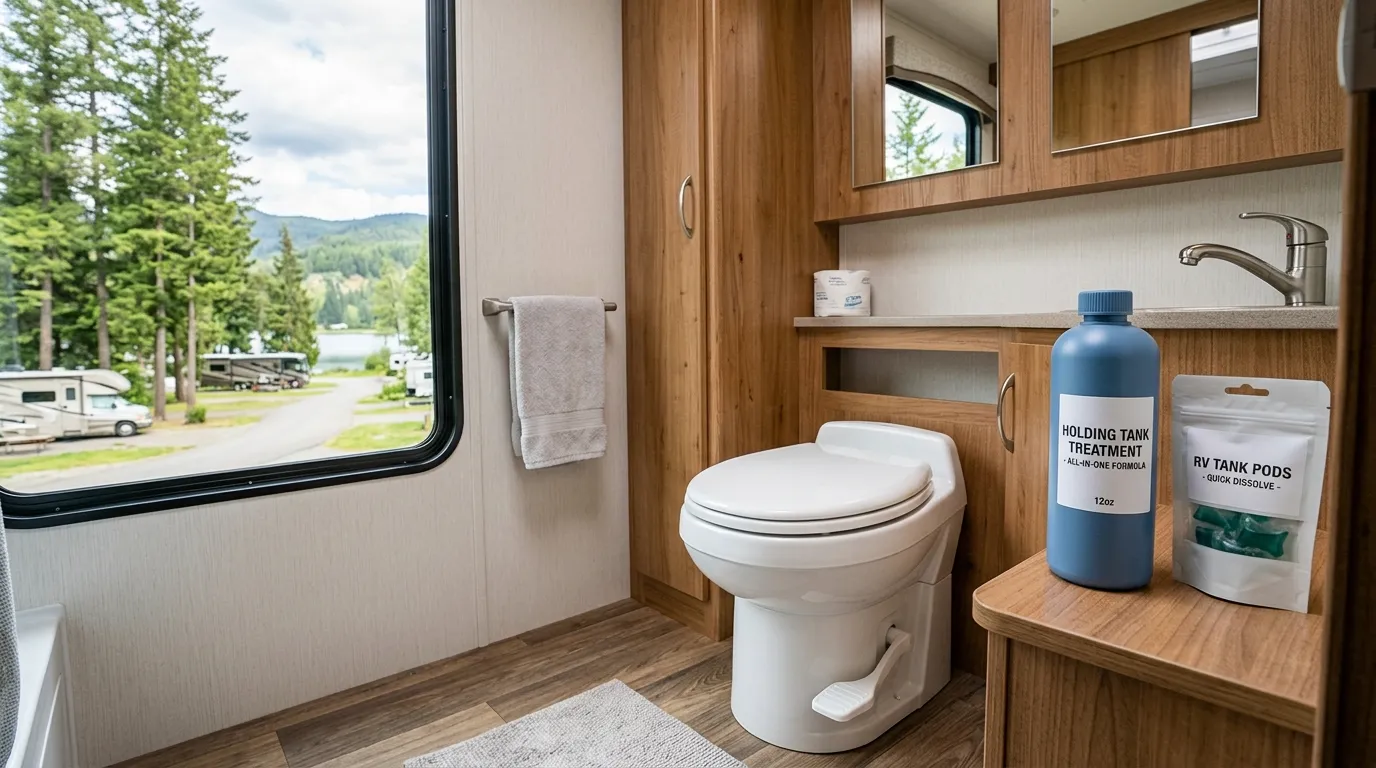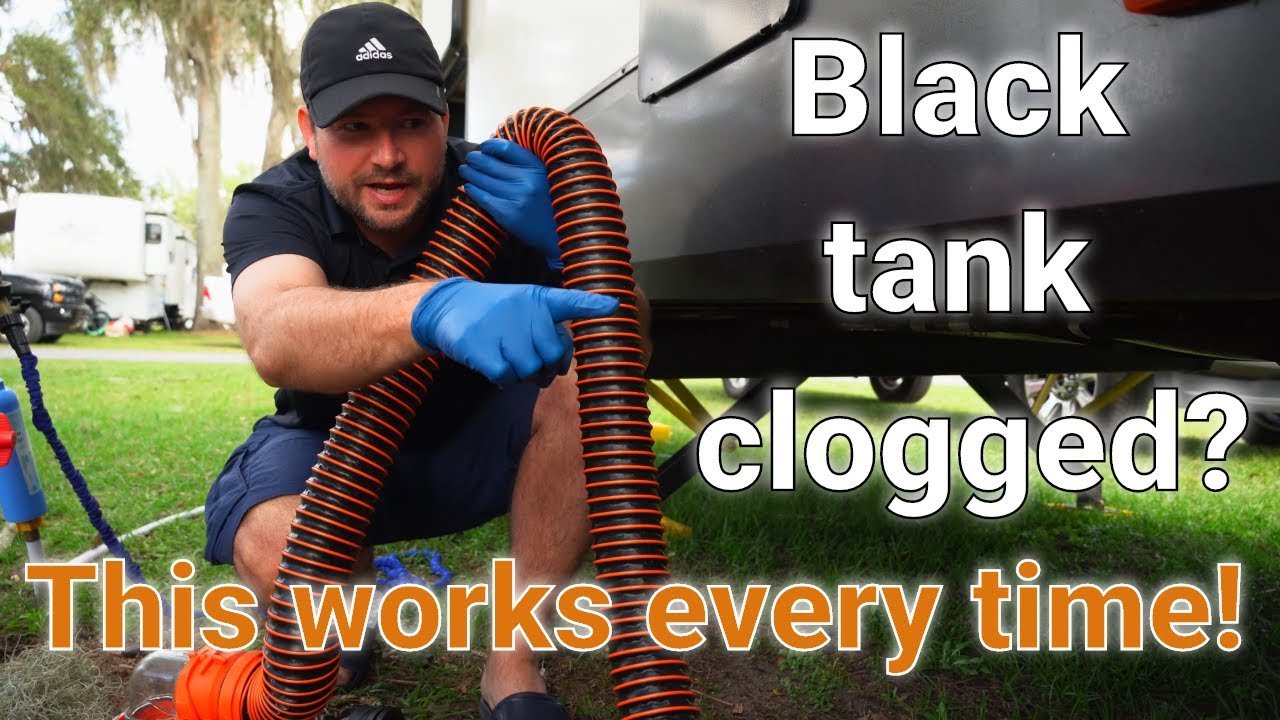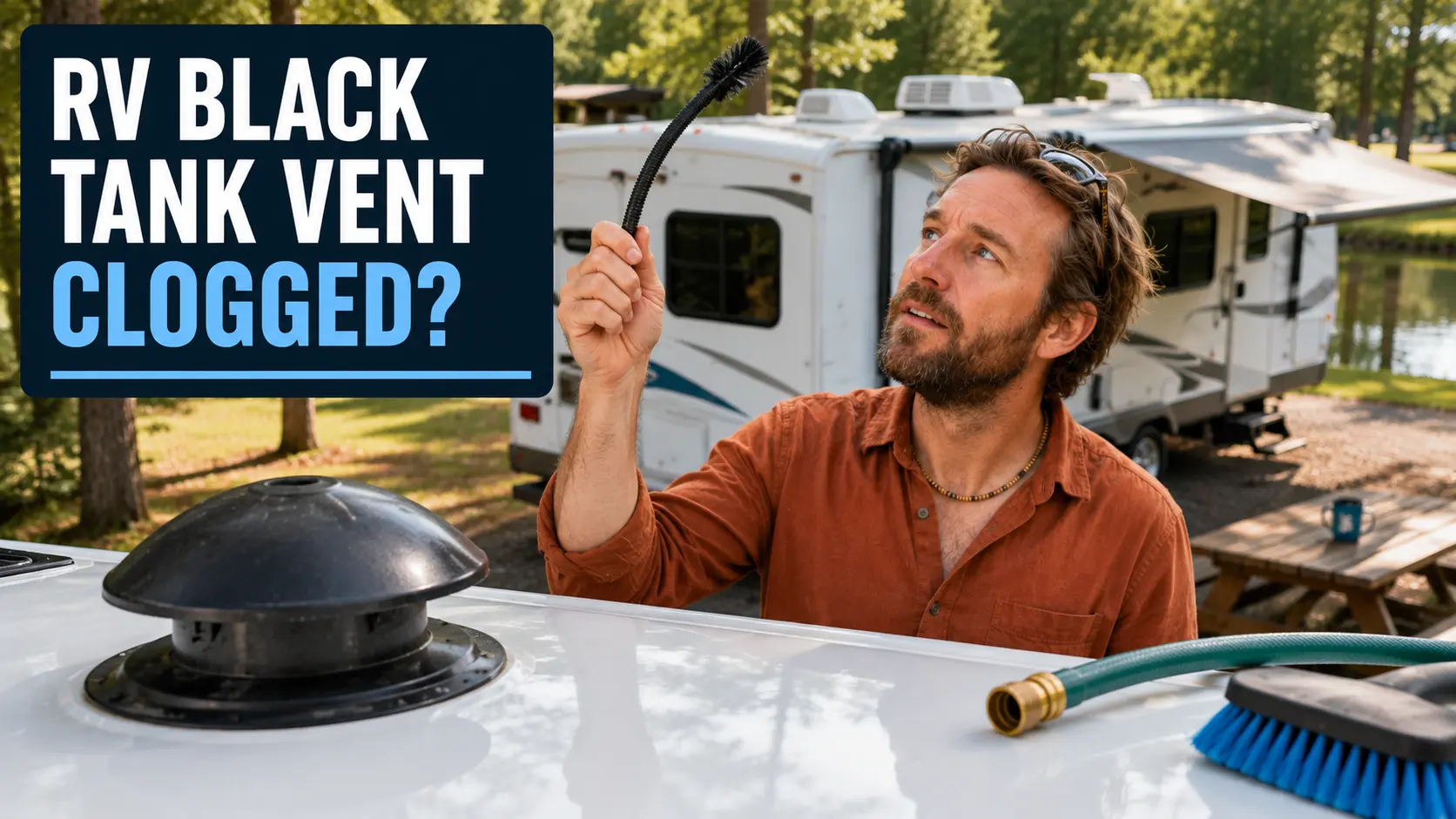

Grey water in an RV is used water from sinks and showers, stored separately from toilet waste.
What Is Grey Water In An RV? It’s the wastewater from your RV’s sinks and shower, separate from the toilet waste stored in the black water tank. I’ll explain how your grey water system works, how to empty it at an approved dump station, and which maintenance mistakes to avoid. My goal is to help you protect your plumbing, control odors, and follow campground disposal rules with confidence.
What Is Grey Water in an RV?
Grey water in an RV is wastewater that comes from plumbing fixtures other than the toilet. It usually flows into a dedicated gray water tank beneath the RV.
Common sources include:
• Kitchen sinks
• Bathroom sinks
• Showers and bathtubs
• Indoor washing machines
• Some outdoor sinks
The exact plumbing setup can vary by RV model. Most modern travel trailers, fifth wheels, motorhomes, and camper vans have separate gray and black water systems.
The gray water tank holds used water until you can drain it at an approved dump station. It does not hold toilet waste, but it can still contain soap, food bits, grease, hair, bacteria, and other contaminants.
Think of the tank as a temporary holding bucket under your RV. It makes off-grid living possible, but it is not a permanent storage system.

What Is the Difference Between Gray Water and Black Water?
The main difference is the type of waste each tank holds.
Gray water comes from sinks and showers. Black water comes from the RV toilet and contains human waste and toilet paper. Because black water has a much higher health risk, it requires stricter handling.
Here is a simple comparison:
| Feature | Gray Water | Black Water |
|---|---|---|
| Main sources | Sinks, showers, washing machines | RV toilet |
| Typical contents | Soap, food residue, hair, grease | Human waste and toilet paper |
| Tank color or label | Often gray or marked “gray” | Often black or marked “black” |
| Odor level | Mild to strong if neglected | Usually stronger |
| Disposal | Approved dump station or legal sewer connection | Approved dump station or legal sewer connection |
Many new RV owners assume gray water is harmless because it does not come from the toilet. That is not correct. Gray water can carry germs and chemicals, so you should never treat it like clean water.
Local rules also matter. Some locations allow limited gray water disposal, while others prohibit releasing it on the ground. Always follow campground rules and local wastewater regulations.

How Does an RV Gray Water Tank Work?
Water from the RV sink or shower travels through drain pipes and enters the gray water tank. The tank stores that water until you open the gray tank valve.
Most RVs use a 3-inch sewer hose for gray water drainage. The hose connects to the RV sewer outlet and then to a dump station inlet or approved sewer connection.
The basic process works like this:
- Water leaves a sink, shower, or appliance.
- The drain line carries it to the gray water tank.
- The tank stores the wastewater.
- A monitor panel shows an estimated tank level.
- You open the gray valve to release the water.
- The wastewater flows through a sewer hose into an approved system.
A tank sensor does not always show the true water level. Soap film, grease, and residue can stick to the sensor probes and make the panel read “full” when the tank is only partly filled.
For this reason, experienced RV users learn to watch real water use as well as the monitor panel. A slow shower, a long dishwashing session, or several loads of laundry can fill a gray tank much faster than expected.

Where Is the Gray Water Tank Located?
The gray water tank is usually mounted underneath the RV, close to the plumbing fixtures it serves. Its exact location depends on the floor plan and manufacturer.
You may find the tank:
• Between the frame rails
• Beneath the bathroom or kitchen
• Near the fresh water tank
• Close to the main sewer outlet
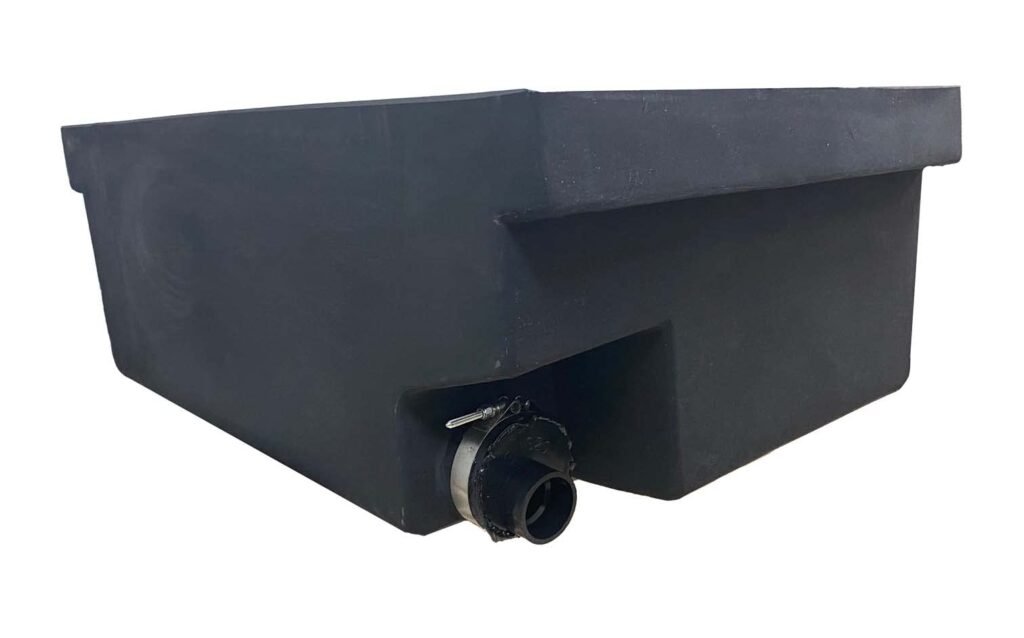
The tank itself may be made from molded plastic or another durable material. It connects to drain lines, vent pipes, and a valve assembly.
To find your gray water tank, check:
• The RV owner’s manual
• Labels near the sewer outlet
• The plumbing diagram
• The tank monitor panel
• The valve handles beneath the RV
Never crawl under an RV that is not safely supported. Use the correct safety equipment and avoid touching unknown pipes or electrical parts.
A common mistake is confusing the gray valve with the black valve. Most RVs place the gray valve above or beside the black valve, but layouts differ. Confirm the labels before opening anything.

How Much Gray Water Can an RV Hold?
Gray tank capacity varies widely. Small camper vans may hold around 10 to 25 gallons, while larger motorhomes and fifth wheels may hold 40 to 80 gallons or more.
Your actual capacity should be listed in the RV specifications or owner’s manual. Tank size is only one part of the calculation. Your travel group, water habits, and time between dump stations also matter.
For example, a 40-gallon gray tank can fill quickly when:
• Two people take long showers
• You wash dishes under running water
• You use an RV washing machine
• You leave the sink faucet running
• You stay several days without dumping
A short shower can use much less water than a long shower. Using a low-flow showerhead and turning off the water while applying soap can greatly extend tank capacity.
A useful habit is to track water use during your first few trips. After a few weekends, you will have a better idea of how long your gray water tank lasts.

How to Drain an RV Gray Water Tank
Drain gray water only at an approved dump station, sewer connection, or other location allowed by local law.
Follow these steps:
- Park the RV so the sewer outlet is close to the dump inlet.
- Put on disposable gloves.
- Connect the sewer hose to the RV outlet.
- Secure the other end in the dump inlet with an adapter or weight.
- Confirm that the connections are tight.
- Open the gray water valve slowly.
- Allow the tank to drain fully.
- Close the gray valve.
- Rinse the sewer hose according to the dump station rules.
- Disconnect the hose and store it in a sealed container.
Many RV owners drain the black tank before the gray tank. This lets gray water rinse some residue from the sewer hose after black tank discharge.
However, follow your RV manufacturer’s instructions. Some systems use unusual valve arrangements, and a few setups may require a different order.
Do not open a gray valve while connected to a campground sewer for days without a reason. Keeping the valve open can let water drain while soap, grease, and solids remain in the tank. This may lead to buildup and inaccurate sensor readings.

Can You Leave the Gray Tank Valve Open?
You can leave the gray tank valve open in some full-hookup situations, but it is usually better to keep it closed until the tank is partly full.
A partly filled tank creates stronger water flow when you drain it. That flow helps move soap, hair, and small solids toward the outlet.
Keeping the valve closed also gives you better control. You can monitor water use and avoid sending a slow stream of wastewater into the campground sewer.
If you must keep the valve open:
• Use a proper sewer hose support
• Keep the hose connection secure
• Check local campground rules
• Inspect the hose for leaks
• Close the valve before cleaning the tank
A closed gray valve is especially important when you are camping without a sewer connection. It prevents unpleasant surprises and gives you time to plan your next dump.

How Do You Clean and Maintain a Gray Water Tank?
Regular gray tank care helps prevent odors, clogs, and false sensor readings. You do not need harsh chemicals for normal maintenance.
After dumping, add water back into the tank and drain it again when practical. This simple flush can remove loose residue from the tank walls and outlet pipe.
Helpful maintenance habits include:
• Use biodegradable RV-safe soap
• Wipe greasy dishes before washing them
• Use a sink strainer to catch food particles
• Clean hair from shower drains
• Avoid pouring cooking oil into the sink
• Flush the tank when sensors seem inaccurate
• Inspect valves and seals for leaks
Avoid household drain cleaners unless the RV manufacturer specifically approves them. Strong chemicals can damage seals, plumbing parts, or tank components.
Do not rely on perfume-based tank treatments to hide an odor. A bad smell often means residue, a dry drain trap, a blocked vent, or a valve problem. Find the cause instead of masking it.
One practical lesson many RV travelers learn is that kitchen grease causes more trouble than expected. Even a small amount can cool, stick to the tank walls, and collect food particles over time. Wiping plates with a paper towel before washing can make a noticeable difference.

Why Does Gray Water Smell?
Gray water can smell because it contains organic matter, soap, food residue, hair, and bacteria. Warm weather can make the odor stronger.
Common causes include:
• Food scraps in the kitchen drain
• Grease buildup
• Hair and soap residue
• A dirty or partly clogged tank
• A dry sink or shower trap
• A blocked roof vent
• A damaged valve seal
The P-trap beneath a sink or shower holds a small amount of water. That water blocks sewer gases from entering the living area. If the trap dries out, odors can move into the RV.
To reduce smells, run a little water into each drain after storage. Clean the tank with fresh water, keep food waste out of the plumbing, and inspect the vent if odors continue.
If the smell is strong even when the tank is empty, check for leaks or plumbing damage. A professional RV technician should inspect persistent odors that come with damp flooring, stains, or soft cabinet areas.
Can You Dump Gray Water on the Ground?
In most situations, you should not dump gray water on the ground unless local rules clearly allow it.
Gray water can contain bacteria, food particles, cleaning chemicals, and nutrients that may harm soil and waterways. It can also attract insects and wildlife.
Rules vary by state, county, campground, and land agency. Public lands often have strict wastewater regulations, and campgrounds may impose additional rules.
Safe disposal options include:
• An approved RV dump station
• A campground sewer connection
• A permitted residential sewer cleanout
• A legal portable waste system
• A location specifically approved by local authorities
Even when gray water looks clear, it is not clean drinking water. “Gray” describes its source, not its safety.
Never dump wastewater near streams, lakes, storm drains, campsites, or trails. Storm drains often lead directly to natural waterways without treatment.
Can You Reuse Gray Water in an RV?
Some RV owners wonder whether they can reuse gray water for plants, flushing, or outdoor cleaning. The answer depends on local rules, the water’s contents, and the design of your RV system.
Do not reuse gray water from a kitchen sink if it contains grease, food waste, or strong cleaning products. Do not use untreated RV gray water for drinking, bathing, cooking, or washing food.
Some water-saving methods are safer than others:
• Collect unused cold water while waiting for a shower to warm up
• Use a basin for washing dishes
• Pour clean leftover drinking water onto plants where permitted
• Reuse water only for a purpose allowed by local regulations
Do not modify the RV plumbing without understanding cross-connection risks. A poor modification can allow wastewater to mix with fresh water.
Water reuse laws vary, so check the rules where you camp. When there is doubt, store the water in the gray tank and dispose of it at an approved facility.
How Can You Conserve Gray Tank Space?
Conserving gray tank space is important during boondocking and dry camping. Small changes can help you stay longer without sacrificing comfort.
Try these methods:
- Take navy showers. Wet your body, turn off the water, soap up, and rinse quickly.
- Use a wash basin for dishes.
- Scrape food into the trash before washing plates.
- Wipe oily pans with paper towels.
- Use campground showers when they are clean and safe.
- Run laundry only when you have enough tank capacity.
- Fix dripping faucets as soon as possible.
- Keep a bucket nearby to collect permitted clean water for outdoor use.
Do not stop using water completely. Too little water can allow residue to build up in drains and tanks. The goal is controlled use, not avoiding water at all costs.
A short shower timer can help every person in the RV understand how much water they use. This simple tool often saves more water than expensive equipment.
Common Gray Water Problems and Solutions
Gray tank problems are usually preventable when you know what to watch for.
The tank monitor always says full
Dirty sensor probes are a common cause. Flush the tank with fresh water and use an RV-approved cleaning method. If the reading remains wrong, the sensor or wiring may need service.
Water backs up into the shower
This can mean the gray tank is full, the drain is blocked, or the valve is closed. Stop using sinks and showers until you check the tank level and drain system.
The gray valve will not open
Do not force the handle. A damaged cable, stuck valve, or internal obstruction may be the cause. Forcing it can break the valve and create a difficult repair.
The RV smells after dumping
Check the P-traps, tank vent, drain lines, and valve seals. Residue may remain even after the tank appears empty.
Water leaks under the RV
Look for loose fittings, cracked pipes, damaged seals, and valve problems. Stop using the affected fixture until you identify the source.
If a problem involves sewage exposure, hidden plumbing, or an inaccessible tank, contact a qualified RV service technician. Safe repairs are more important than saving a small service fee.
Safe Gray Water Habits for New RV Owners
Good habits make gray water management simple. They also protect your health, your RV, and the places where you travel.
Use this basic checklist:
• Learn the location of the gray valve
• Confirm the tank capacity
• Carry gloves and a dedicated sewer hose
• Use a clear sewer hose elbow when helpful
• Never mix fresh and wastewater equipment
• Keep sewer connections off the ground when possible
• Wash your hands after handling hoses
• Follow dump station instructions
• Inspect the system before and after each trip
• Record unusual smells, leaks, or sensor changes
Never use the same hose for fresh water and wastewater. Label each hose clearly. A fresh water hose should remain clean and separate from all sewer equipment.
It is also wise to keep spare valve caps, gloves, hose seals, and a small drain strainer in your maintenance kit. These inexpensive items can prevent a minor issue from ruining a travel day.
Frequently Asked Questions About What Is Grey Water in an RV
Is shower water gray water in an RV?
Yes. Shower water is gray water because it comes from a bathroom fixture rather than the toilet. It flows into the RV gray water tank along with water from sinks and some appliances.
Is kitchen sink water gray water in an RV?
Yes, kitchen sink water is gray water. It may contain grease, food particles, and soap, so it should be kept out of the fresh water system and disposed of at an approved location.
Is gray water in an RV dangerous?
Gray water is less hazardous than black water, but it is not clean or safe to drink. It can contain bacteria, chemicals, food waste, and other contaminants.
How often should you empty an RV gray water tank?
Empty the tank when it is nearly full or before it reaches capacity. Your timing depends on tank size, water use, the number of people in the RV, and access to a legal dump station.
Should you drain the gray tank before the black tank?
Many RV users drain the black tank first and the gray tank second. This allows gray water to rinse some residue from the sewer hose, but you should follow the instructions for your specific RV.
Can gray water go into an RV septic system?
It may be possible when the septic system is designed and approved to receive it. Check local rules and property requirements before connecting an RV gray water line to a septic system.
Why does my RV gray water tank fill so fast?
Long showers, running faucets, dishwashing, laundry, and a small tank can all cause fast filling. Reduce water use, check for leaks, and confirm that the tank monitor is accurate.
Conclusion
Grey water in an RV is used water from sinks, showers, and certain appliances. It collects in a separate tank and must be drained at an approved location. Although it does not contain toilet waste, it can still carry bacteria, grease, soap, and food residue.
Learn your tank size, watch your water use, keep grease and food scraps out of the drains, and maintain the tank with regular flushing. These simple steps help prevent odors, clogs, leaks, and stressful campground problems.
Before your next trip, inspect your valves, pack proper sewer supplies, and review local disposal rules. If this guide helped, explore more RV maintenance resources and share your own gray water tips in the comments.