
In an RV, black water holds toilet waste, while grey water holds wastewater from sinks and showers.
If you’re wondering What Is Black And Grey Water In RV, I’ll help you understand the difference before your next dump-station visit. Black water typically contains toilet waste, while grey water comes from sinks and showers and can contain soap, grease, and food residue. I recommend treating both as wastewater—not assuming grey water is safe to release on the ground. In this guide, I’ll explain how each tank works, what should stay out of your drains, and how to follow approved dumping practices. For model-specific plumbing details, I’ll point you back to your RV’s owner’s manual.
What Is Black and Grey Water in an RV?
The simplest answer to what is black and grey water in RV plumbing is this: black water comes from the toilet, while grey water comes from other indoor drains. Most modern RVs have separate holding tanks for each type of wastewater.
Black water is the more hazardous waste stream. It can contain human waste, urine, toilet paper, bacteria, and harmful pathogens. Grey water usually contains water from the kitchen sink, bathroom sink, and shower, but it is not clean or safe to drink.
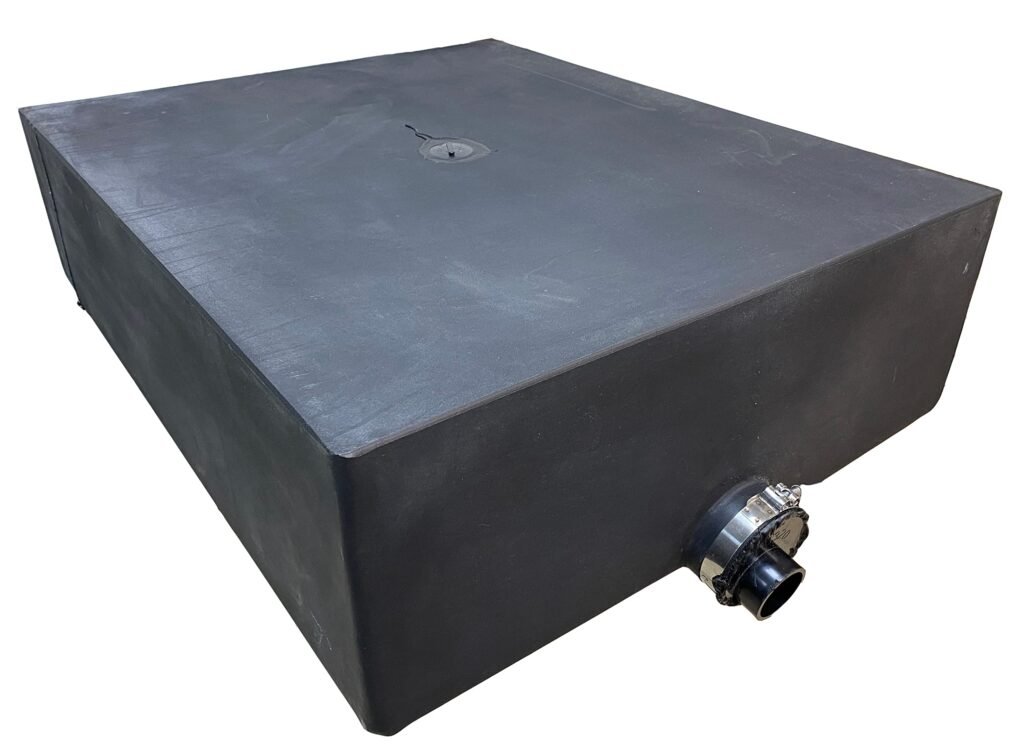
An RV holding tank is like a temporary underground sewer tank. It stores wastewater until you reach an approved dump station or sewer connection. The tank does not treat the waste, so proper handling matters.
The exact setup varies by RV model. Some smaller travel trailers have one combined wastewater tank, while most larger motorhomes and fifth wheels have separate black and grey water tanks.
What Goes Into the Black Water Tank?
The black water tank receives waste from the RV toilet. In most RVs, the toilet drops directly into the black tank through a short pipe. This design helps keep solids and liquids together until the tank is emptied.
Only human waste, toilet paper approved for RV use, and water should go into the black tank. Adding enough water is important because it helps prevent waste from drying on the tank floor.
Never place these items in the black tank:
• Baby wipes, even when labeled flushable
• Paper towels and tissues
• Feminine hygiene products
• Diapers
• Cotton swabs
• Dental floss
• Grease or cooking oil
• Household cleaners
• Cat litter or pet waste bags
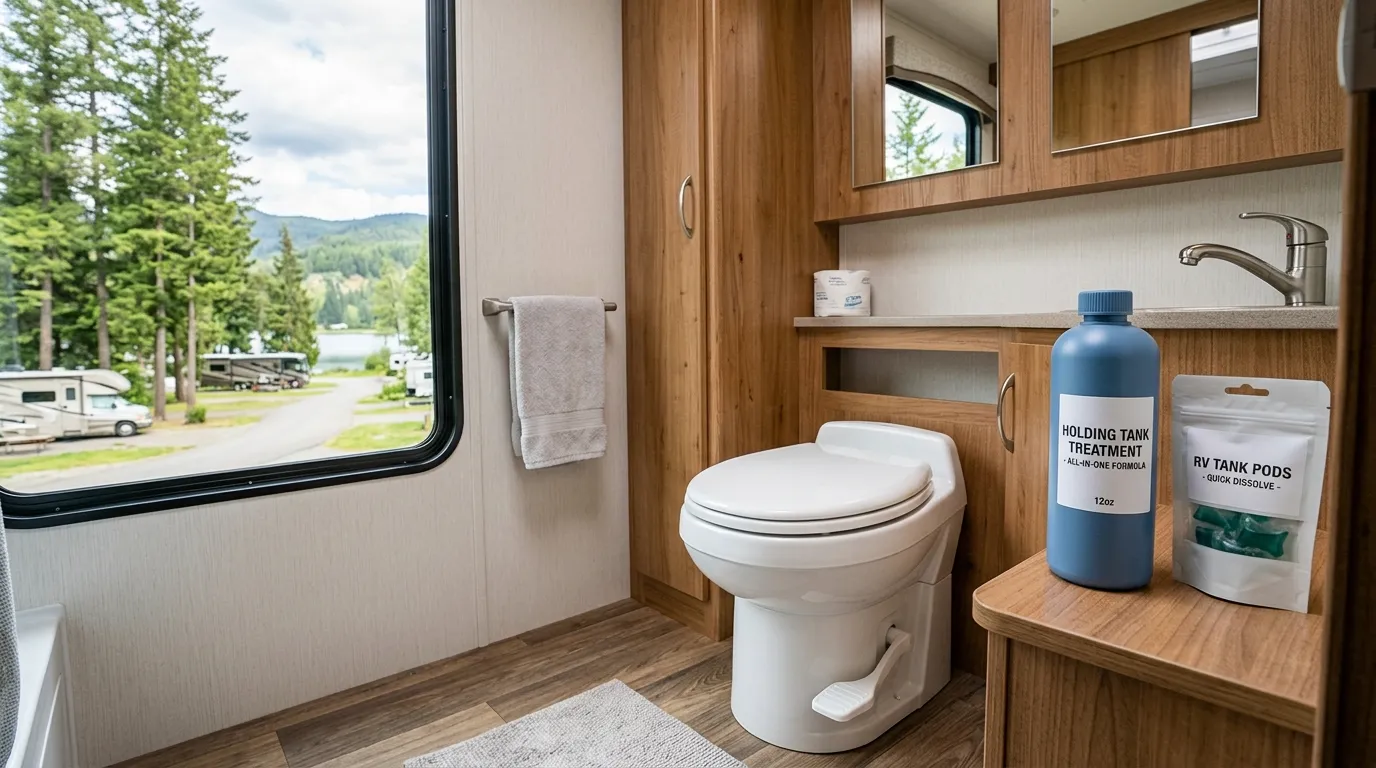
A small amount of RV-safe toilet treatment may help control odor and support waste breakdown. However, treatments cannot repair a blocked valve or replace proper tank care. More chemical does not always mean a cleaner tank.
One common mistake is leaving the black tank valve open while connected to a sewer hookup. When liquids drain away all the time, solids can remain behind and form a hard pile. This is often called a “poop pyramid,” and it can cause severe blockage.

What Goes Into the Grey Water Tank?
The grey water tank collects wastewater from sinks and showers. In some RVs, the kitchen sink drains into the grey tank. In others, the kitchen sink may have a separate tank or plumbing arrangement.
Grey water can contain soap, shampoo, food bits, grease, hair, and body oils. It is less dangerous than black water, but it can still smell badly and support bacterial growth.
Kitchen sink water deserves special attention. Grease and food scraps can coat the tank walls and restrict the drain. Use a sink strainer, wipe greasy pans with a paper towel, and avoid pouring oil down the drain.
Shower drains also need care. Hair is one of the most common causes of grey tank clogs. A simple drain screen can prevent many problems and costs very little.
Grey water is not the same as fresh water. Even if it looks clear, it may contain bacteria and chemicals. Do not spray it on people, pets, food crops, or public ground unless local rules clearly allow it.
Black Water vs. Grey Water: Key Differences
Knowing what is black and grey water in RV plumbing becomes easier when you compare their source, contents, and disposal needs.
| Feature | Black water | Grey water |
|---|---|---|
| Main source | RV toilet | Sinks and shower |
| Main contents | Human waste and toilet paper | Soap, food residue, grease, and dirt |
| Health risk | High | Lower, but still present |
| Odor risk | Usually high | Moderate to high |
| Tank care | Needs careful flushing and treatment | Needs drain and grease control |
| Typical disposal | Approved dump station or sewer | Approved dump station or sewer |
| Common blockage | Solid waste buildup | Hair, grease, and food particles |
The main difference is not color. Black water is called “black” because it contains toilet waste. Grey water is wastewater from other fixtures, even when it looks light or clear.
Both tanks need responsible disposal. In many places, dumping either type on the ground, into a storm drain, or in a lake is illegal and harmful to the environment.
How RV Black and Grey Water Systems Work
An RV wastewater system uses gravity, valves, vents, and holding tanks. When you flush the toilet, waste moves into the black tank. When you use a sink or shower, water flows into the grey tank.
Each tank usually has:
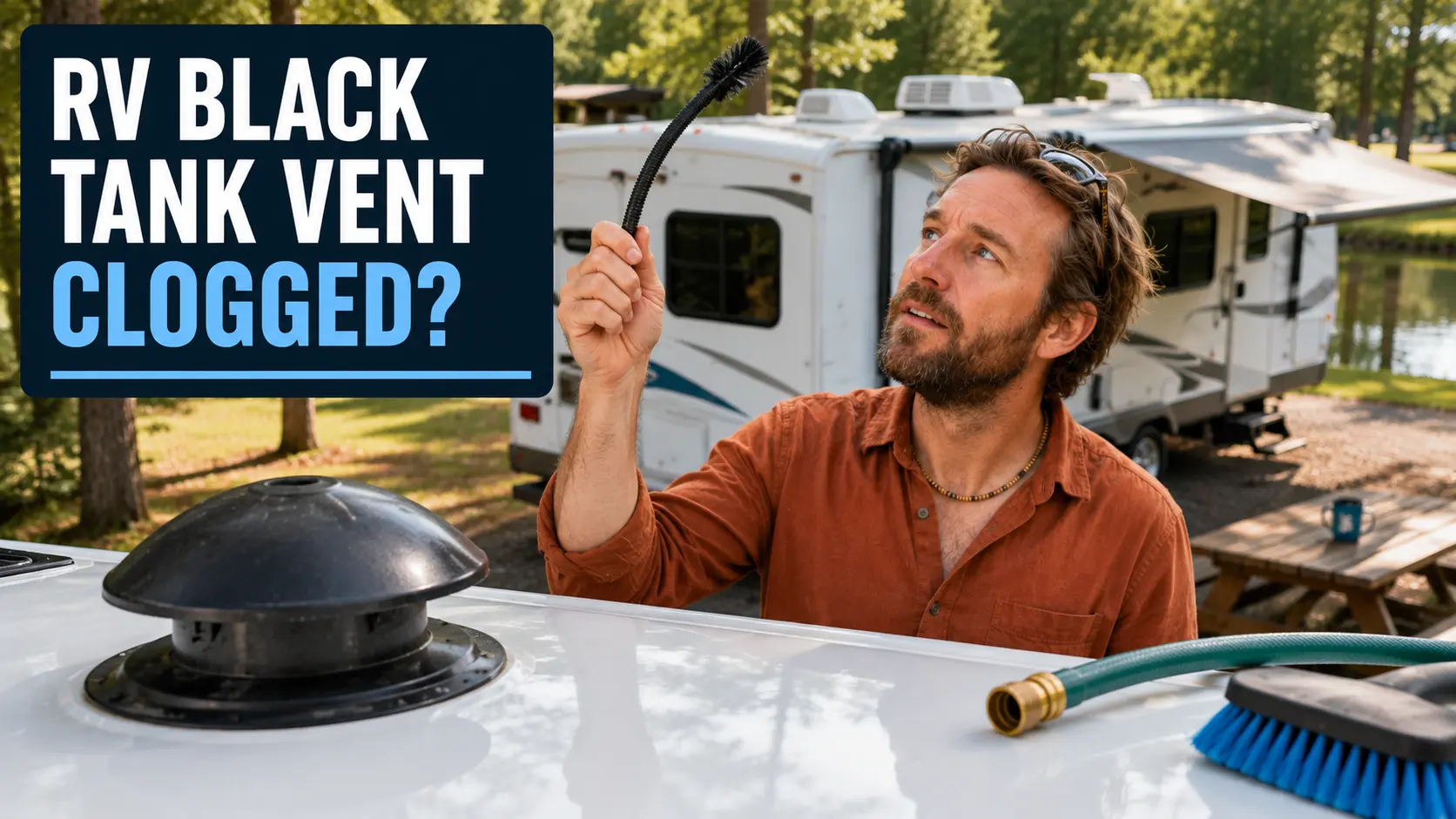
• A vent pipe that releases gases and helps air move through the system
• A tank sensor that estimates the fill level
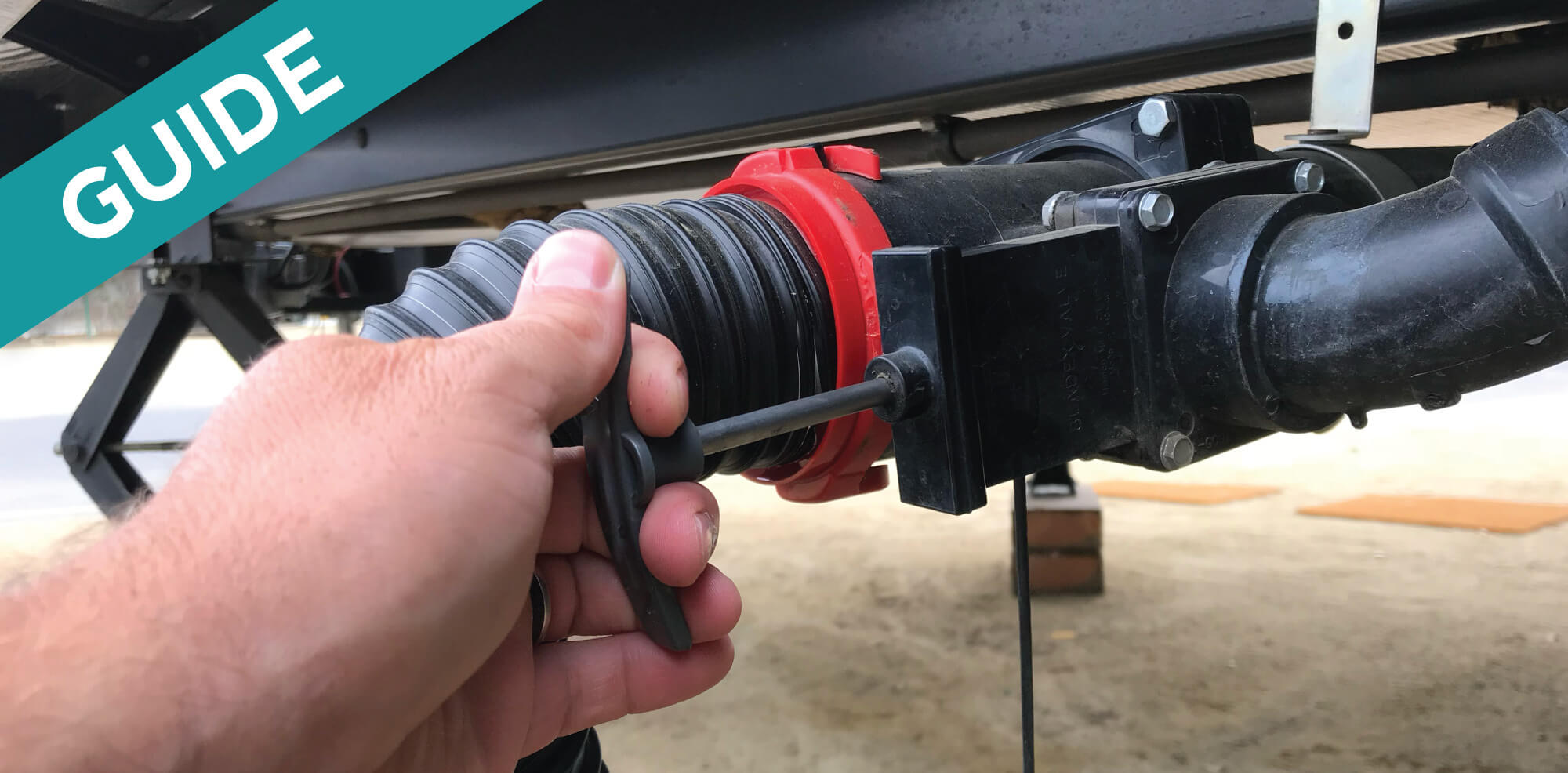
• A dump valve that controls waste flow
• A sewer hose connection
• A tank outlet and cap
The black tank valve is often larger than the grey tank valve. This helps move solid waste through the sewer hose. The grey tank may drain more slowly because of hair, soap, or grease buildup.
A proper dumping order is usually:
Close both tank valves before dumping.
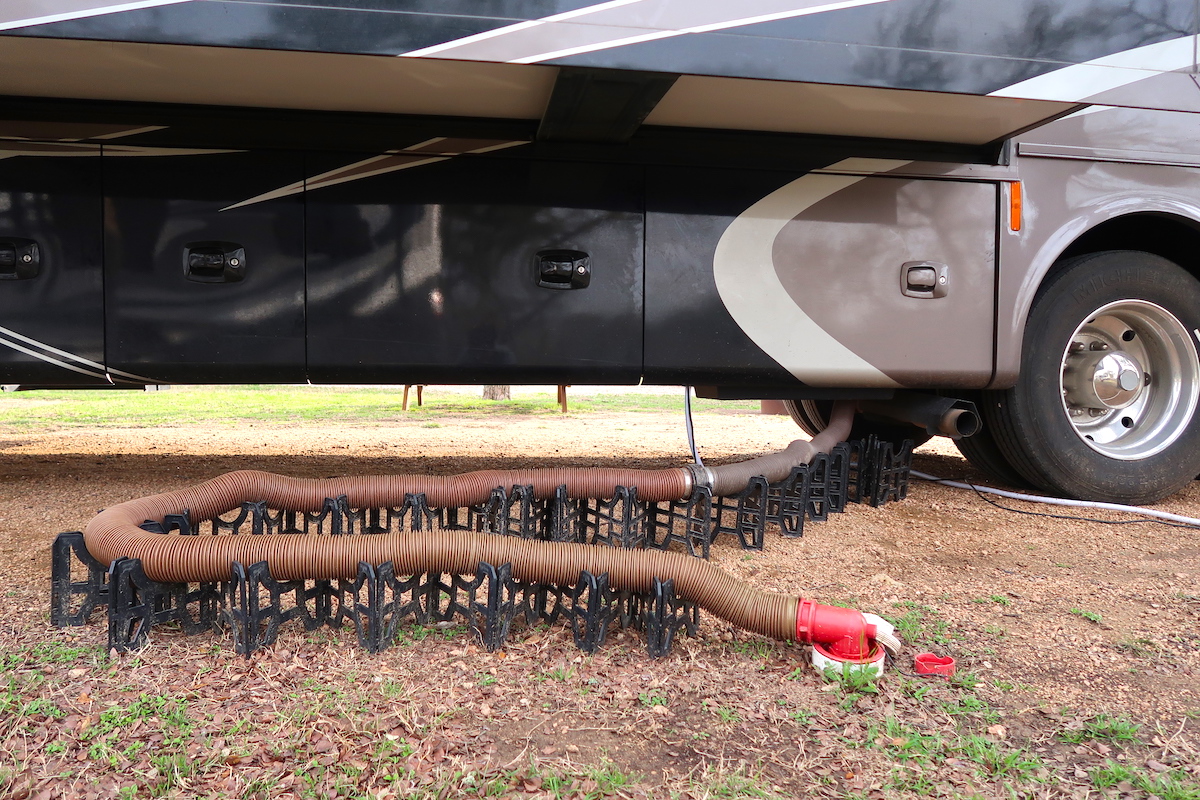
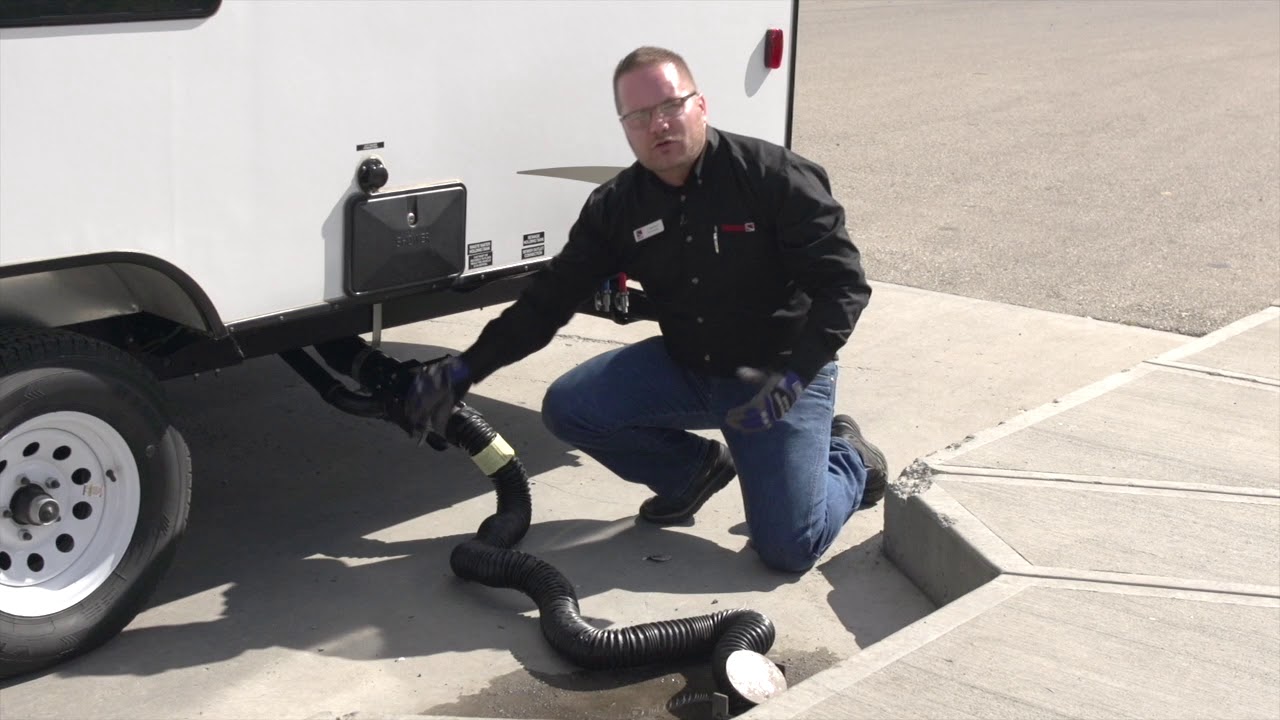
Connect the sewer hose securely to the RV and dump inlet.
Open the black tank valve first.
Allow the black tank to drain fully.
Use the built-in flush system or a tank rinser if available.
Close the black tank valve.
Open the grey tank valve to rinse the sewer hose.
Close the grey tank valve and replace the cap.
The grey tank water helps wash leftover black tank residue from the hose. Always follow the instructions for your RV, dump station, and flushing equipment.

How Full Should Black and Grey Tanks Be Before Dumping?
Many RV owners ask how full the tanks should be before dumping. A black tank generally works best when it is at least two-thirds full, or when it contains enough water to move solids out easily.
A grey tank can be dumped when it is nearly full or when you need more capacity. Some campers save grey water until after dumping the black tank so it can rinse the sewer hose.
Do not wait until wastewater backs up into the shower. That is a warning that the grey tank is full or the drain system is restricted. Likewise, a toilet that rises slowly may point to a full black tank, a closed valve, or a blockage.
Tank sensors are useful but not perfect. Paper, grease, minerals, and waste can stick to the probes and create false readings. If the monitor says the tank is full after dumping, trust the symptoms and inspect the system rather than adding random chemicals.

How to Clean and Maintain RV Wastewater Tanks
Good tank care prevents odors, false sensor readings, and expensive service calls. The best method is simple: use plenty of water, dump correctly, and clean the tanks on a regular schedule.
For the black tank:
• Keep several inches of water in the tank after dumping.
• Use RV toilet paper that breaks down easily.
• Add water to the bowl before flushing.
• Flush the tank when the RV system allows it.
• Use only treatments approved for RV holding tanks.
• Keep the toilet seal moist so it does not dry and leak.
For the grey tank:
• Use a mesh screen in the shower drain.
• Remove food scraps before washing dishes.
• Wipe grease from cookware before cleaning it.
• Flush the tank with clean water from time to time.
• Use a mild RV-safe cleaner when needed.
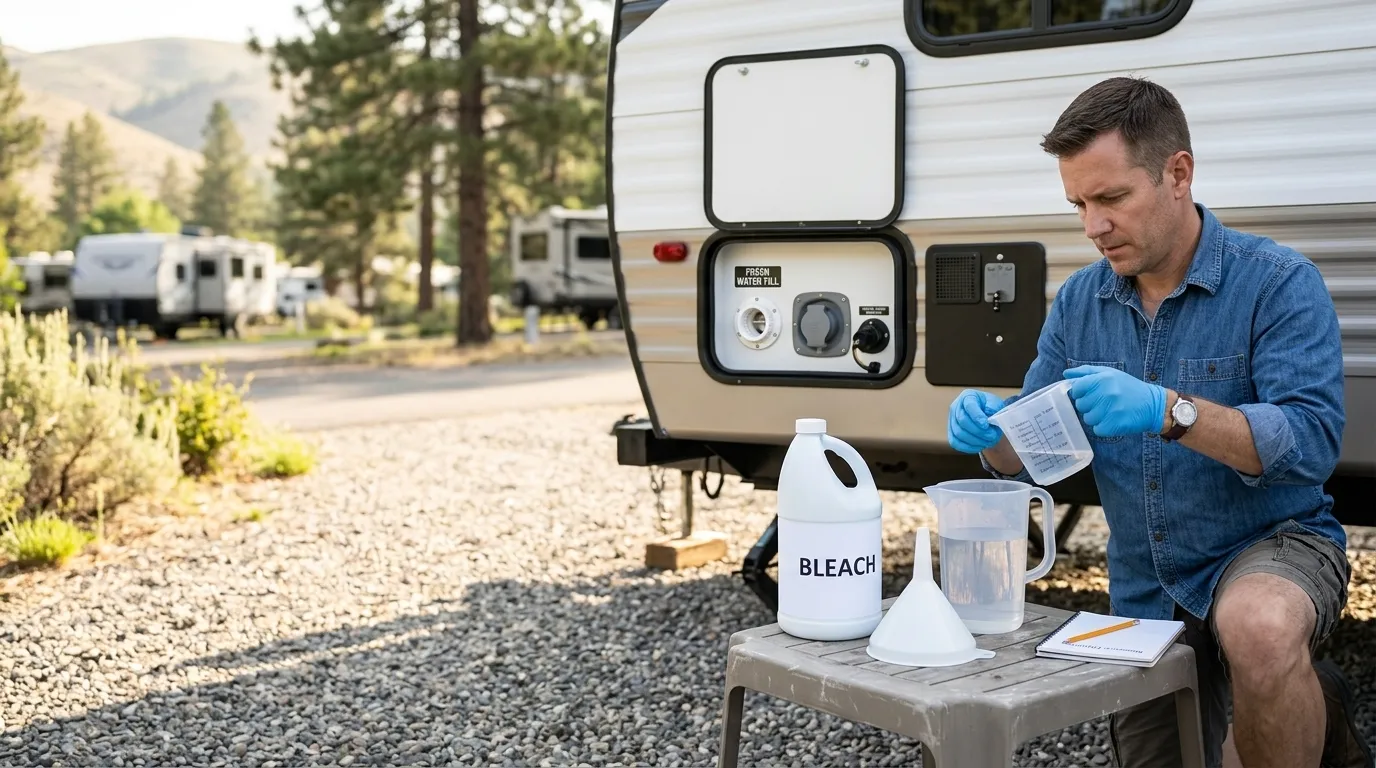
Avoid bleach, drain opener, and strong household chemicals unless the RV manufacturer specifically approves them. These products may damage seals, sensors, plumbing, or septic systems.
One lesson experienced RV travelers often learn the hard way is that odor usually signals a maintenance issue. A dry toilet seal, blocked vent, dirty tank, or low water level can all create smells. Masking the odor with fragrance does not fix the cause.

Black and Grey Water Safety Tips
Safety is a major reason to understand what is black and grey water in RV equipment. Wastewater can spread germs through skin contact, splashes, contaminated tools, and poor hand washing.
Follow these basic precautions:
• Wear waterproof gloves when connecting or cleaning sewer equipment.
• Keep the sewer hose away from drinking-water hoses.
• Use a dedicated sewer-hose support and storage container.
• Wash your hands after handling valves or fittings.
• Inspect hose seals before opening a tank valve.
• Keep children and pets away from dump stations.
• Close the dump-station inlet cover when finished.
• Disinfect tools that come into contact with wastewater.
Never use a drinking-water hose to rinse a sewer hose. Keep your freshwater equipment clearly marked and stored in a separate compartment.
If wastewater spills, stop the flow, keep people away, and follow the dump station’s cleanup rules. Local health departments and campground authorities may have specific procedures for larger spills.
Can You Dump Grey Water on the Ground?
In most campgrounds, dumping grey water on the ground is not allowed. Rules differ by state, federal land agency, campground, and local health authority, so check the posted regulations before releasing any wastewater.
Grey water may contain bacteria, soap, food particles, and chemicals that can harm soil and wildlife. It can also attract insects and animals. In dry areas, it may create unpleasant odors and sanitation problems.
Some remote camping areas may allow limited grey water release under strict conditions. Even then, use only plain water when permitted, strain out food matter, stay far from campsites and water sources, and follow local rules exactly.
Black water should never be dumped on the ground. It must go into an approved sewer or dump-station system.
Common RV Black and Grey Water Mistakes
Many wastewater problems come from small habits rather than major plumbing failures. Knowing what is black and grey water in RV systems helps you avoid these errors.
Leaving the black valve open
This allows liquid to escape while solids remain. Keep the black valve closed until the tank is ready to dump.
Using too little water
Dry waste sticks to the tank and makes dumping harder. Add water to the toilet bowl and leave some water in the tank after cleaning.
Flushing the wrong items
“Flushable” wipes often do not break down fast enough for RV plumbing. Put wipes and other trash in a lined waste bin instead.
Pouring grease into the sink
Grease can coat the grey tank and sewer hose. Wipe greasy cookware before washing it.
Trusting tank sensors completely
Sensors can become dirty and inaccurate. Compare the monitor reading with actual water flow and tank behavior.
Storing a dirty sewer hose
A hose that is not rinsed can spread odor and germs inside the storage compartment. Rinse it at an approved dump station and cap both ends before storage.
Using too much chemical treatment
A strong chemical smell does not prove that a tank is clean. Correct water levels, regular flushing, and careful dumping are more important.
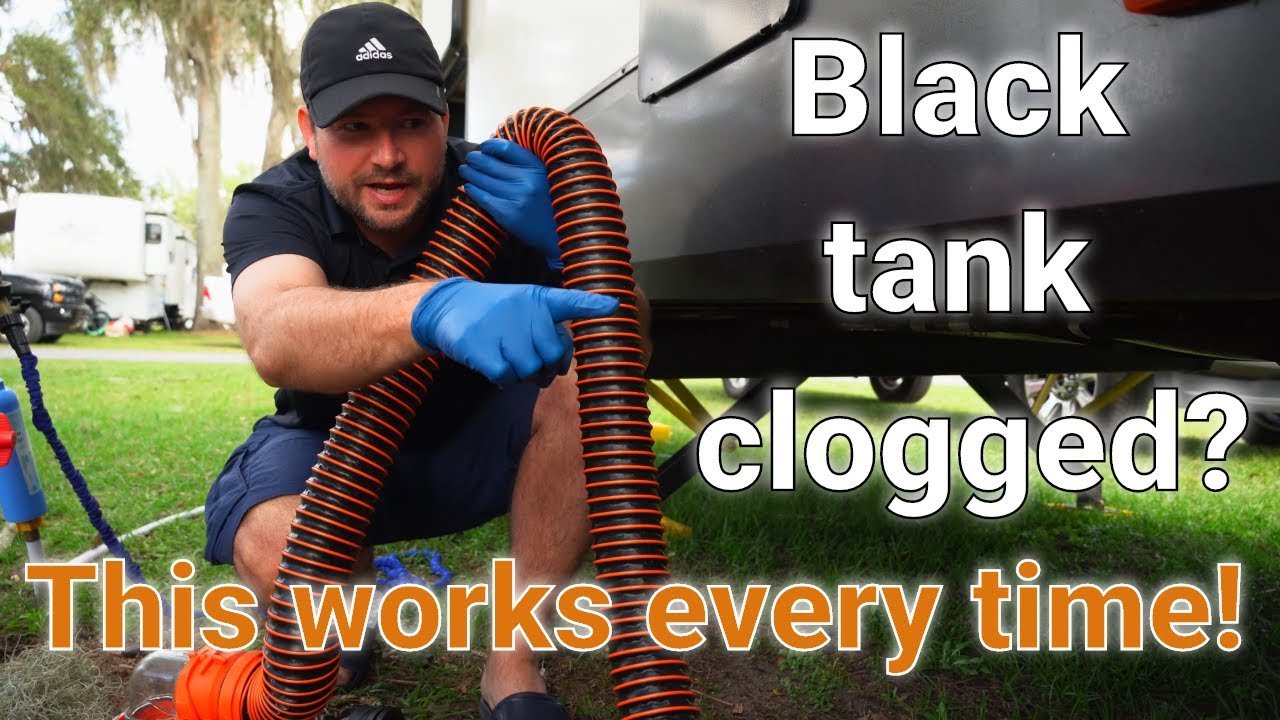
What to Do When an RV Tank Is Clogged
A blocked tank needs patience. Do not force a valve handle because it can break the valve or create a leak.
Start by checking whether the problem is a full tank, a closed valve, a blocked sewer hose, or a stuck toilet flap. Make sure the sewer hose has a steady downward slope and no sharp bends.
For a suspected black tank blockage:
Close the dump valve.
Add several gallons of warm water through the toilet.
Let the water sit for several hours if safe to do so.
Try the tank flush or a manufacturer-approved cleaning method.
Open the valve slowly and watch for normal flow.
For a grey tank blockage, check the shower screen, sink strainer, drain trap, and sewer hose. Grease buildup may require a tank cleaner approved for RV use.
If the valve will not move, wastewater leaks, or the toilet backs up repeatedly, contact an RV service professional. Improvised tools can damage the tank or create a sanitation hazard.
Winterizing Black and Grey Water Tanks
Before freezing weather, drain both tanks completely. Ice can damage valves, fittings, and plumbing.
Clean the tanks, open the valves briefly to remove remaining liquid, and follow the RV manufacturer’s winterizing instructions. Do not use automotive antifreeze in the holding tanks or plumbing unless the product is specifically labeled for RV use.
RV antifreeze is usually added to the freshwater plumbing system, not poured casually into a waste tank. The correct process depends on the RV design, climate, and storage length.
After winter storage, flush the freshwater system and inspect all tank valves and seals before traveling. A small leak found at home is far easier to fix than one found at a crowded campground.
Frequently Asked Questions About What Is Black and Grey Water in an RV
Is black water the same as toilet water in an RV?
Yes. Black water is wastewater from the RV toilet and may contain human waste, urine, toilet paper, and harmful germs. It must be dumped at an approved sewer or RV dump station.
Is grey water safe to touch?
Grey water is less contaminated than black water, but it is not sanitary. It may contain bacteria, soap, grease, and food residue, so avoid skin contact and wash your hands after handling it.
Can toilet paper go into an RV black tank?
Yes, but use a modest amount of RV-friendly toilet paper that breaks down easily. Never flush wipes, paper towels, feminine products, or other trash.
Should I leave my RV black tank valve open at a campsite?
Usually, no. Keep it closed so liquids and solids remain together, then dump the tank when it is sufficiently full or before leaving the campground.
Can I dump grey water into a storm drain?
No. Storm drains often lead directly to streams, rivers, or lakes without treatment. Dump grey water only where local rules and an approved wastewater system allow it.
Why does my RV grey tank smell?
Grey tank odors can come from food residue, grease, soap buildup, hair, bacteria, or a dry plumbing trap. Clean the tank, use drain screens, and keep enough water in the traps to block sewer gases.
How often should I clean my RV black water tank?
Clean it whenever sensors become inaccurate, odors remain after dumping, or waste drains poorly. A thorough rinse after each black tank dump and periodic deep cleaning help keep the system working well.
Conclusion
Black water comes from the RV toilet, while grey water comes from sinks and showers. Black water needs careful dumping, enough water, and safe handling. Grey water still needs responsible disposal because it can contain grease, soap, food waste, and bacteria.
Keep the black tank valve closed between dumps, protect the grey tank from hair and grease, use approved dump stations, and never rely on strong chemicals to solve poor maintenance. With these habits, your RV wastewater system can remain cleaner, safer, and easier to manage.
Apply these steps on your next trip, check your RV owner’s manual for model-specific instructions, and share your best tank-care tip with fellow RV travelers.